
How to grow hair faster naturally usually means two things, supporting healthy growth at the scalp and stopping the sneaky breakage that makes hair look like it never gets longer.
That second part matters more than most people expect, because hair can grow on schedule while your ends keep snapping off from heat, tight styles, rough detangling, or an irritated scalp. The “I’m doing everything and nothing changes” feeling often comes from that mismatch.
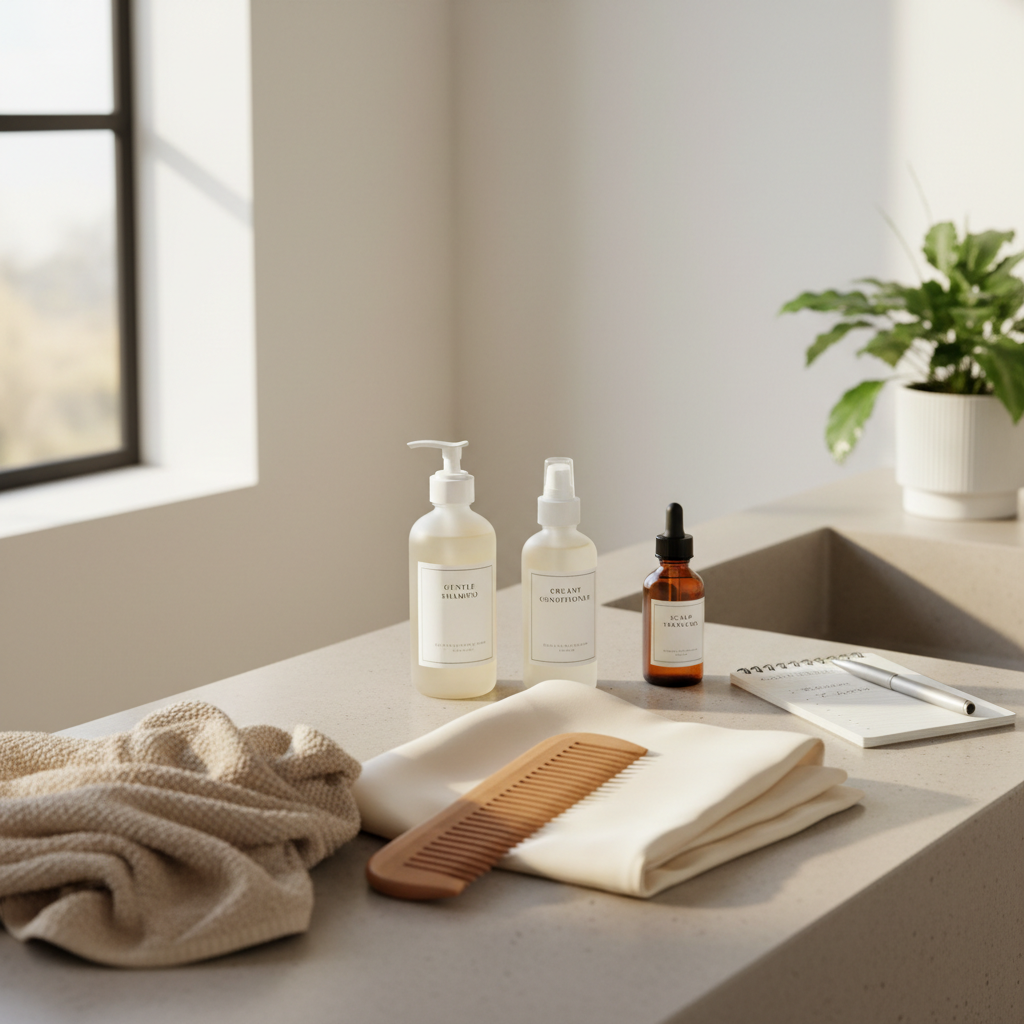
Below is a practical, no-drama approach: how fast hair typically grows, what can slow it down, what you can do at home, and when it’s smarter to talk with a dermatologist or other clinician.
Key takeaway up front: you can’t “force” follicles to sprint, but you can create the conditions for steady growth and keep more length by protecting the hair you already have.
What “faster” growth can realistically look like
Most healthy adults see gradual growth, not overnight results, and timelines vary by genetics, age, hormones, stress, styling habits, and overall health. According to the American Academy of Dermatology (AAD), hair growth happens in cycles, and shedding can be normal within limits.
Instead of chasing a miracle rate, aim for measurable signals that you’re on track: less shedding in the shower, fewer broken short pieces around your sink, a calmer scalp, and ends that look less frayed between trims.
A quick expectation table (use it to sanity-check progress)
| What you notice | What it might mean | What to do next |
|---|---|---|
| Hair feels like it “won’t grow” but roots show regrowth | Growth is happening, breakage is stealing length | Reduce heat/tension, upgrade detangling, protect ends |
| More scalp itch, flakes, or soreness | Inflammation may be disrupting the scalp environment | Gentle wash routine, treat dandruff if present, consider professional advice |
| Sudden shedding after stress/illness | Possible telogen effluvium (temporary shedding) in many cases | Track triggers, prioritize nutrition/sleep, consult if prolonged |
| Widening part or thinning at temples | Could be pattern hair loss or traction-related thinning | Address styling tension early, consider dermatologist evaluation |
Common reasons hair seems stuck (even when you’re trying)
If you’re searching how to grow hair faster naturally, it helps to be honest about what’s actually happening day to day. In real life, these are the usual culprits.
- Breakage from heat or chemicals: flat irons, frequent blowouts, bleaching, and aggressive coloring can weaken the hair shaft.
- Constant tension: tight ponytails, braids, extensions, or wigs installed too tightly can contribute to traction damage.
- Rough handling: brushing dry curls, detangling from root to tip, or using tiny-tooth combs can snap strands.
- Scalp issues: dandruff, seborrheic dermatitis, psoriasis, or buildup can lead to irritation and more shedding for some people.
- Nutrition gaps: low protein intake, iron deficiency, or very restrictive dieting can show up as shedding and slower-looking progress.
- High stress and poor sleep: not the cause of every case, but they can push hair into a shedding phase in some situations.
Self-check: figure out which situation you’re in
This is the part many people skip. Do this quick check before you buy another bottle of something.
In the last 4–8 weeks, do any of these sound familiar?
- You find lots of short, uneven pieces (breakage) more than full-length strands (shedding).
- Your styles feel “snug” and your scalp feels tender after taking them down.
- You go long stretches without washing because you’re afraid of shedding, but your scalp feels oily, itchy, or flaky.
- You increased heat styling “just for a season,” and now ends look see-through.
- You recently had a baby, fever/illness, surgery, major stress, or stopped/started a medication, and shedding spiked.
If breakage is the theme, your best “growth” strategy is protection. If shedding is the theme, think scalp health, triggers, and whether a medical check makes sense.
Daily and weekly habits that support natural hair growth
These are the boring basics, but they’re also what tends to work. You don’t need all of them, you need the ones that match your hair type and routine.
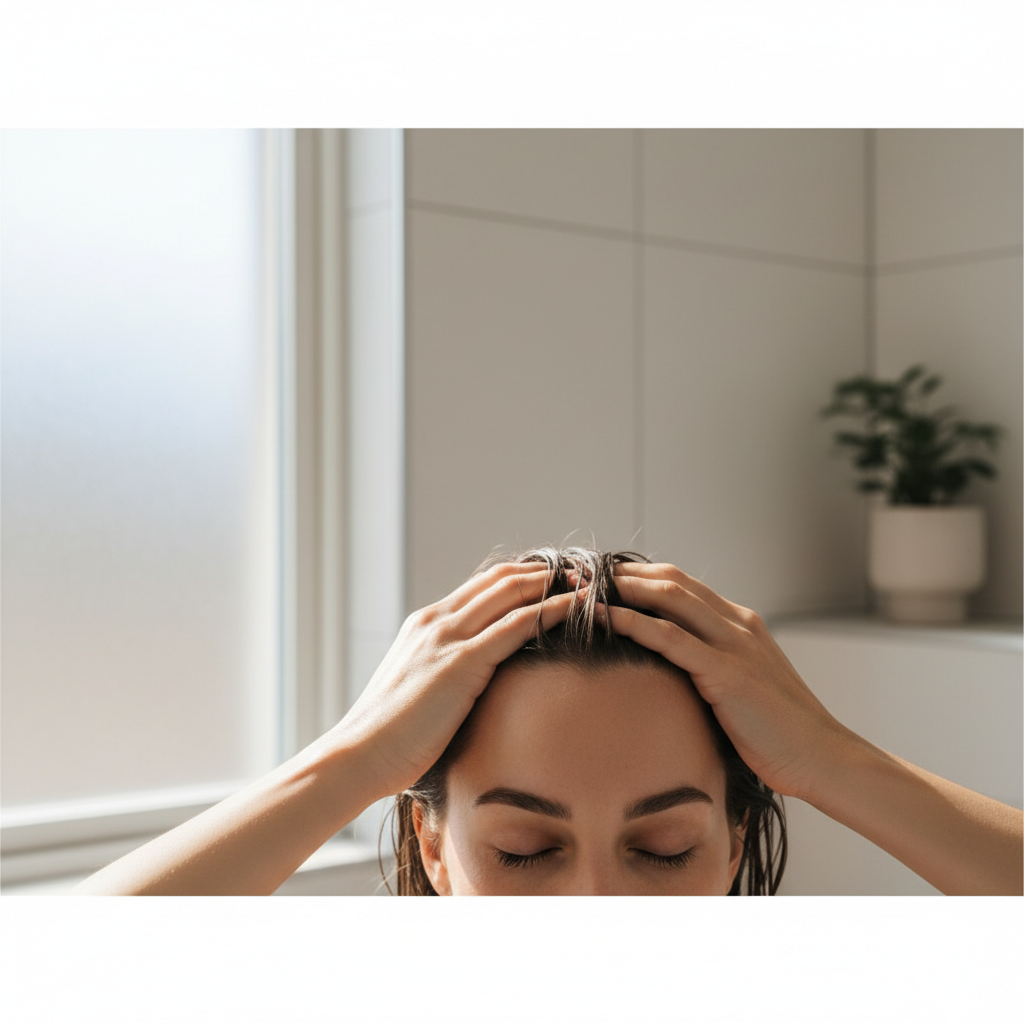
Scalp care (think “skin care,” not just hair care)
- Wash often enough for your scalp: frequency varies, but many people do better when they remove oil and buildup regularly instead of “toughing it out.”
- Use a gentle cleanser: especially if you color your hair or have a sensitive scalp.
- Try scalp massage: it may help you stay consistent with care and can feel calming, just avoid aggressive scratching.
- If you have flakes/itch: consider an anti-dandruff shampoo. According to the American Academy of Dermatology (AAD), dandruff often responds to medicated shampoos used correctly and consistently.
Length retention (where “faster” often happens)
- Detangle smarter: add slip with conditioner, detangle from ends upward, and use a wide-tooth comb or fingers.
- Limit high heat: if you use heat, keep it occasional, use heat protectant, and avoid repeated passes.
- Protect at night: silk/satin pillowcases or bonnets can reduce friction and breakage for many hair types.
- Don’t skip trims forever: trimming doesn’t make hair grow, but it can prevent splits from traveling and stealing length.
Nutrition and lifestyle: what matters, what’s hype
Hair is “non-essential” tissue from the body’s perspective, so when resources run low, hair often shows it. That said, more supplements do not automatically equal more growth.
What’s usually worth focusing on
- Protein at most meals: hair is made largely of keratin, and many people eat less protein than they think.
- Iron and vitamin D status: deficiencies are common enough that clinicians often check them when shedding is persistent, especially for people with heavy periods or limited sun exposure. Ask a professional before supplementing high doses.
- Omega-3s and healthy fats: helpful for overall skin/scalp comfort in many cases.
- Sleep and stress management: not a magic fix, but shedding spikes sometimes track with chronic stress and poor sleep.
What to be cautious about
- High-dose biotin “just because”: it may be useful when deficiency exists, but it can also interfere with some lab tests. According to the U.S. Food and Drug Administration (FDA), biotin can affect certain lab results, so tell your clinician if you take it.
- Detoxes and extreme dieting: rapid weight loss can trigger increased shedding for some people.
- Essential oils straight on scalp: irritation is common, always dilute and stop if burning or rash appears.
A simple 4-week routine you can actually stick to
If you want how to grow hair faster naturally in a way that fits real schedules, pick a routine that reduces breakage and keeps your scalp calm. Here’s a simple framework, adjust based on hair texture and washing preference.
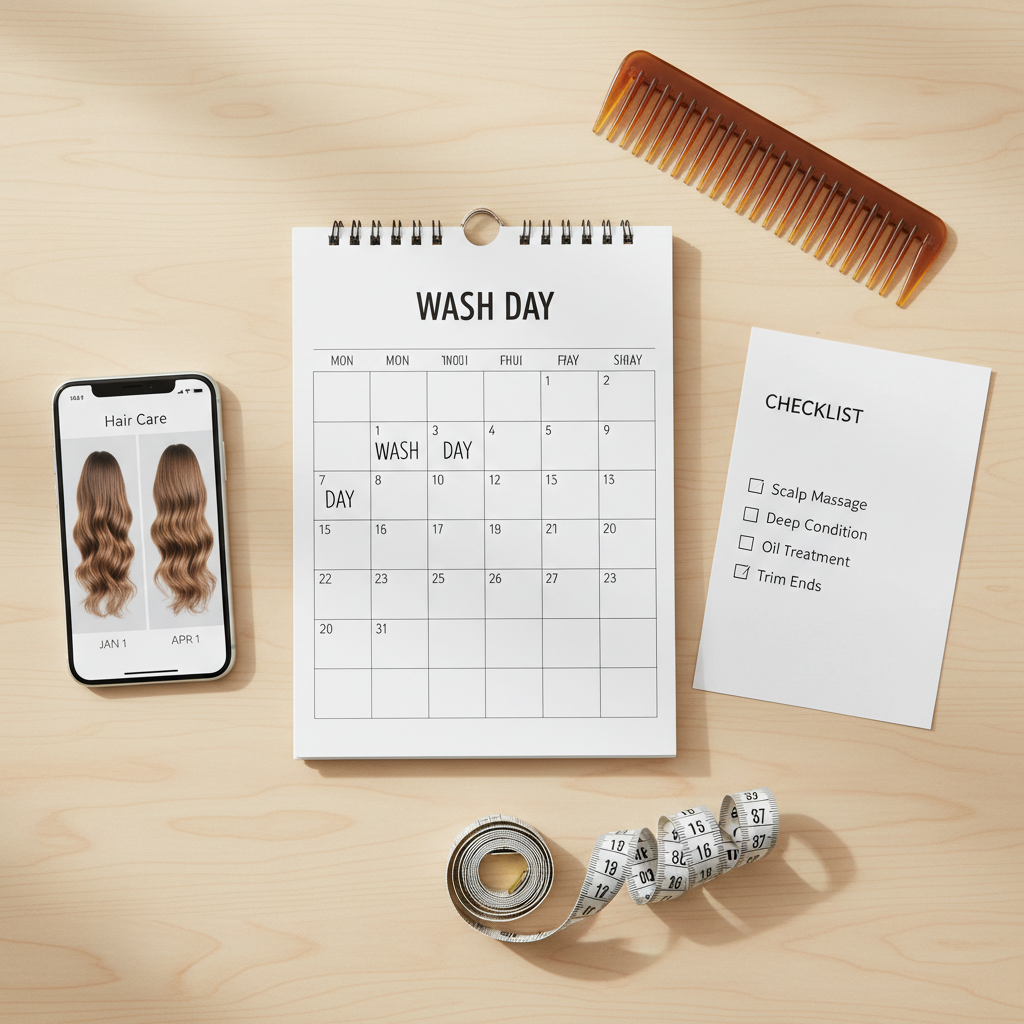
Weekly basics
- Wash day: cleanse scalp, condition lengths, detangle gently with product in.
- One deep-conditioning session: especially if you color or heat-style.
- Low-tension styling: rotate styles so the same edges and part lines don’t take constant stress.
Daily basics
- Moisture + seal (if your hair needs it): light leave-in, then a small amount of oil or cream on ends.
- Hands off the scalp: scratching and picking can keep irritation going.
- Night protection: satin bonnet/scarf or silk pillowcase, loose style.
Track the right metrics
- Take a photo of your part and hairline every 2 weeks in the same lighting.
- Note shedding changes after styling, illness, travel, or diet shifts.
- Watch for breakage around the crown and ends, not just overall length.
Mistakes that quietly slow progress
These are common, and they’re frustrating because they feel productive while working against you.
- Changing products every week: hair responds to consistency, not constant switching.
- Over-oiling the scalp: for some people it worsens buildup and itch, which can increase scratching and shedding.
- Using “growth” products but still heat-styling hard: you may be growing hair and breaking it at the same time.
- Brushing wet hair roughly: wet strands stretch and snap more easily, especially without conditioner slip.
- Ignoring tight styles: if your style hurts, that’s feedback, not a challenge to “push through.”
When it’s time to talk to a professional
Home care is great, but some patterns deserve a faster, more targeted workup. Consider a dermatologist or other qualified clinician if any of these apply.
- Shedding lasts longer than 3 months or worsens steadily.
- You see patchy hair loss, bald spots, or scaling with pain.
- Your part widens, hairline recedes, or you have a strong family history of pattern loss.
- You suspect a nutrient deficiency, thyroid issue, or medication-related shedding.
Bring photos and a simple timeline of stressors, illnesses, diet changes, and styling habits, it helps a lot and saves time.
Conclusion: keep the goal simple, keep the routine steady
If your goal is how to grow hair faster naturally, the most reliable path is usually boring: keep the scalp comfortable, feed your body well, and protect your lengths like they’re fragile fabric.
Pick two actions you can maintain for a month, such as reducing heat to once a week and upgrading your detangling routine, then reassess with photos. If shedding feels abnormal or thinning shows up in specific patterns, get a professional opinion sooner rather than later.