
women pea coat classic vintage is one of those searches that usually means the same thing, you want a coat that looks timeless, feels structured, and doesn’t turn into a boxy regret after two wears.
The problem is that “classic” and “vintage” get used loosely, and pea coats vary a lot by fabric, cut, buttons, and lining, even when photos look similar. A great one reads polished with jeans, works over office layers, and holds its shape year after year.
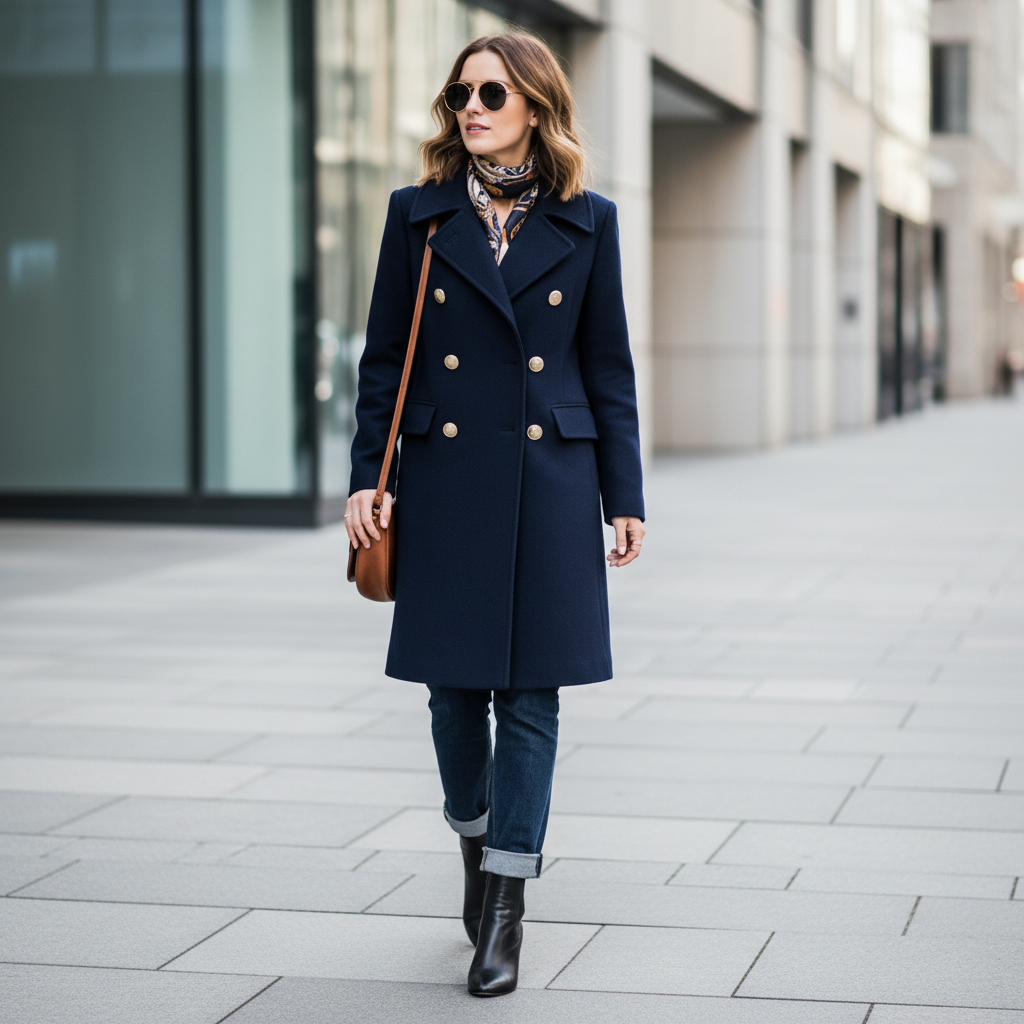
Below is a practical way to shop, compare, and style a pea coat with fewer surprises, plus a quick checklist and a table that helps you pick the right weight for your climate.
What “Classic Vintage” Really Means in a Women’s Pea Coat
A classic pea coat comes from naval outerwear, so the details are functional before they are trendy. “Vintage” usually points to older proportions and hardware cues, not a costume look.
- Double-breasted front with strong overlap, it blocks wind better than many single-breasted coats.
- Wide lapels that can flip up, often with a throat latch on more traditional versions.
- Structured shoulders and a clean waist line, not slouchy, not overly cinched.
- Heavy wool or wool-blend with a dense hand feel, it should look smooth, not fuzzy-pilled on day one.
In many modern “pea coats,” the cut is shorter, the fabric is lighter, and the buttons are purely decorative. That can still be cute, it just won’t deliver the same warmth or shape that people expect from a women pea coat classic vintage search.
Why Some Pea Coats Look Great Online but Disappoint in Person
This usually comes down to materials and pattern making, not your body. A pea coat is unforgiving when corners get cut.
- Low wool content can feel thin and drapey, the front edge collapses and the lapels won’t sit clean.
- Cheap fusible interfacing may bubble after cleaning, especially around lapels and pocket flaps.
- Wrong button placement changes everything, if the stance sits too high, the coat looks cramped; too low, it looks droopy.
- Fit mismatch at shoulders creates drag lines that make the whole coat look “off,” even if the waist fits.
According to the Federal Trade Commission (FTC), clothing labels must disclose fiber content, which is your best quick filter when browsing. If a listing is vague about composition, treat that as a signal to slow down and ask questions.
Quick Self-Check: Which Pea Coat Specs Fit Your Life?
Before you buy, decide what you actually need the coat to do on a normal week. This avoids paying for “vintage vibes” when you really need warmth, or buying a warm coat that never feels like you.
- Commute style: walking, driving, public transit, or mostly indoor-to-car.
- Layering habit: thin knits only, or sweaters and blazers.
- Cold tolerance: you run warm, average, or always cold.
- Wardrobe palette: mostly neutrals, or you like statement colors.
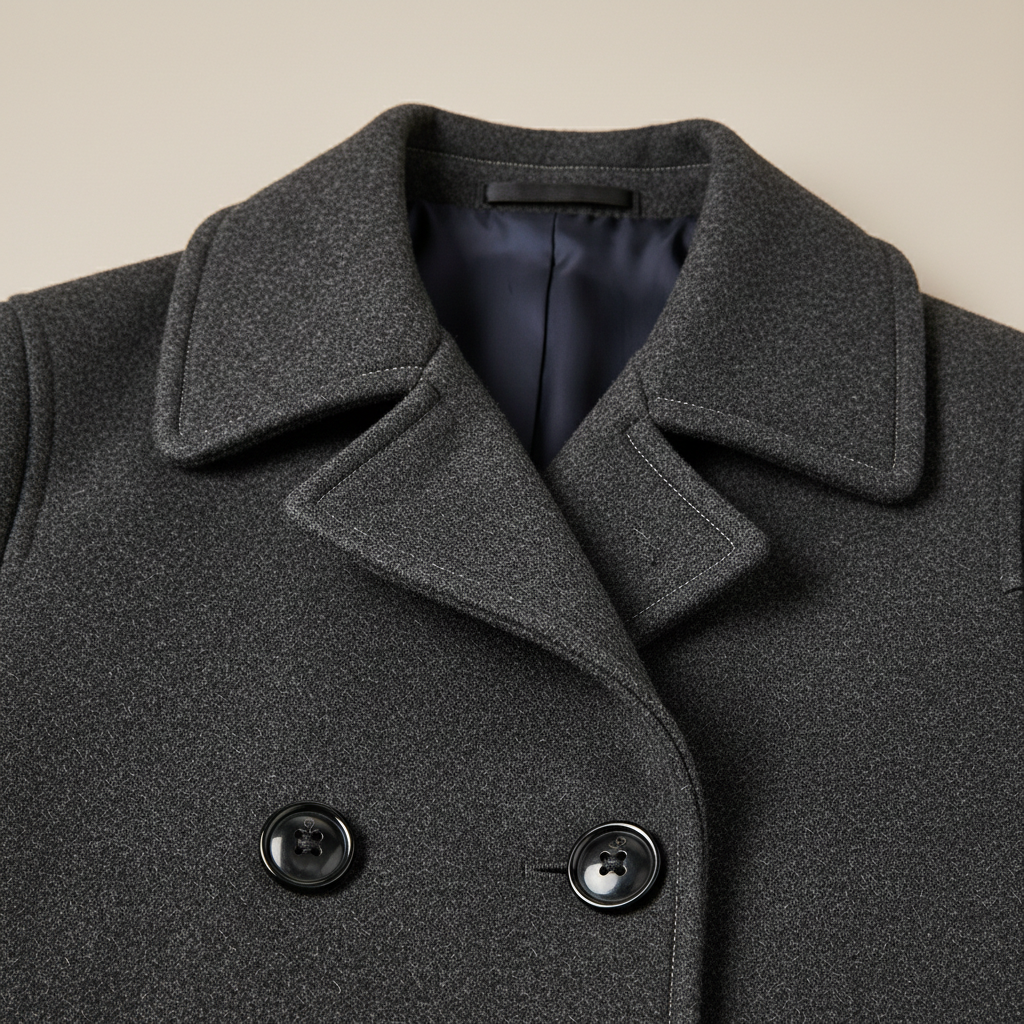
If you want a true women pea coat classic vintage feel, prioritize shoulder fit and fabric density, then adjust length and silhouette for your style.
How to Choose Fabric, Warmth, and Weight (with a Simple Table)
Fabric is where “looks classic” becomes “wears classic.” A denser wool or a wool-blend with structure typically holds the vintage-inspired shape longer.
What to look for on the label: higher wool percentage often correlates with warmth and shape, but the weave and finishing matter too. If you have sensitivities to wool, consider a softer blend or plan for layering with a higher-collar knit, and if irritation persists, it may be worth asking a dermatologist for advice.
| Use case | Suggested coat weight | Fabric cues | Notes |
|---|---|---|---|
| Mild winter, lots of driving | Light to midweight | Wool-blend with smooth finish | Prioritize clean tailoring over bulk |
| City walking, windy days | Midweight to heavyweight | Dense wool or high-wool blend | Double-breasted overlap matters |
| Layering over blazers/sweaters | Midweight | Structured body, slick lining | Check shoulder and bicep room |
| Cold climate, frequent outdoor time | Heavyweight | Thicker cloth, higher collar, solid buttons | Consider scarf-friendly neckline |
Fit and Proportions: The Pieces That Make It Look “Vintage” (Not Costume)
The fastest way to miss the mark is chasing “retro” details while ignoring proportion. A women pea coat classic vintage look usually comes from a balanced silhouette.
- Shoulders: seam sits close to your shoulder point, slight structure reads classic.
- Length: mid-hip is traditional; upper-thigh can feel more modern; longer versions lean coat-like rather than pea-coat true.
- Sleeves: enough room for a sweater without ballooning; check reach, buttons should not strain.
- Waist shaping: subtle shaping flatters; heavy contouring can look trendy and date faster.
Try this quick mirror test: button it, lift your arms like you’re hailing a cab, then drop them. If the front rides up and stays there, you’ll fight that all season.
Styling Ideas That Keep It Classic (and Actually Wearable)
A pea coat is at its best when you let it do the “polished” work and keep the rest straightforward. If you want a women pea coat classic vintage vibe, aim for simple shapes and good texture contrast.
Easy outfits that rarely fail
- Dark denim + slim knit + leather ankle boots, add a scarf in a muted plaid for a vintage nod.
- Straight-leg trousers + turtleneck, keep the coat unbuttoned for a longer line.
- Midi skirt + tall boots, works best with a slightly longer pea coat and defined shoulders.
Color picks that stay timeless
- Navy: the most traditional, reads “pea coat” instantly.
- Charcoal: slightly dressier, easy with black boots.
- Camel: more “vintage-inspired,” looks great with denim and cream knits.
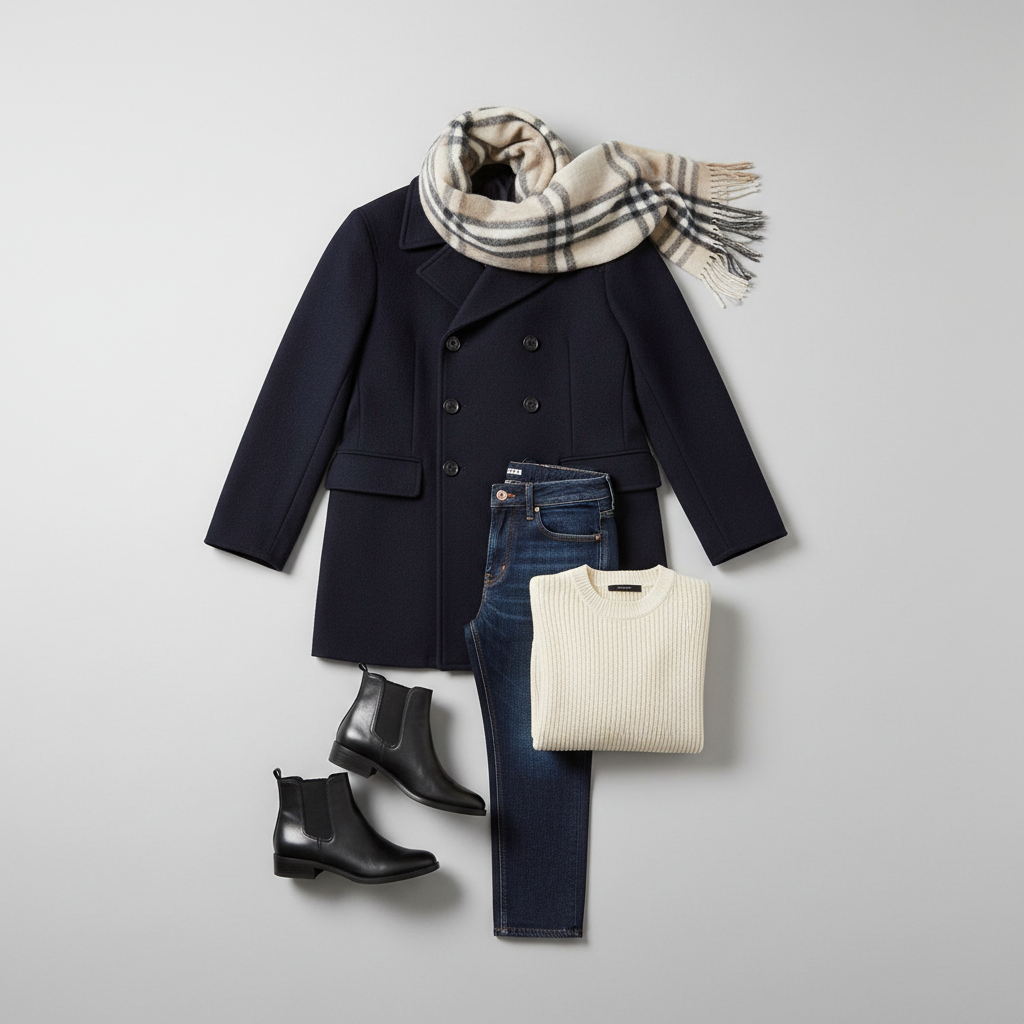
Small detail that makes a big difference: choose hardware that matches your daily jewelry, warm gold buttons feel more vintage, cool silver or matte buttons feel cleaner and more modern.
Buying Steps: How to Shop Online Without Guessing
Shopping a pea coat online can be smooth if you treat it like a short audit. You’re not being picky, you’re avoiding a return.
- Start with measurements: bust, shoulder width, sleeve length, and the thickest layer you plan to wear.
- Read fabric content first, then look for notes on lining and care.
- Zoom in on lapels and edges: you want crisp stitching and a clean roll line.
- Check pocket placement: too high can feel awkward; too low can widen hips visually.
- Scan return terms: outerwear sizing varies, returns are part of the process.
Key takeaway: when two coats look similar, pick the one with clearer fabric details and better finishing photos, those listings tend to reflect better construction.
Care, Longevity, and Common Mistakes
A pea coat is an investment piece only if you treat it like one. Most issues show up from heat, friction, and storage.
- Don’t overload the pockets, it can warp the front and ruin the line.
- Skip constant washing, spot-clean when possible and follow the care label for full cleaning.
- Hang it right: use a sturdy hanger with shoulder support to protect structure.
- De-pill gently: if pilling happens, a fabric shaver used carefully is usually safer than picking by hand.
According to the American Cleaning Institute, checking care labels and following recommended cleaning methods helps prevent fiber damage and shape loss. If you’re unsure, a reputable cleaner can tell you whether a coat needs dry cleaning or a safer alternative.
Conclusion: A Practical Way to Land the “Right” Pea Coat
A women pea coat classic vintage purchase goes well when you prioritize structure and fit, then let styling do the rest. If you remember one rule, make it this, a pea coat should hold its shape when you move, not only when you stand still.
Pick one action today: either measure your best-fitting jacket and compare it to size charts, or shortlist two coats and choose based on fabric content plus construction photos, that single step cuts most bad buys.
FAQ
What is a women’s classic vintage pea coat supposed to look like?
Usually it has a double-breasted front, wide lapels, and a structured shape through shoulders and torso. The vibe is tailored and purposeful, not oversized and floppy.
Is a pea coat warm enough for a Northeast winter?
It can be, depending on fabric weight, wind exposure, and what you layer underneath. For long outdoor time in very cold conditions, many people add a scarf and warmer mid-layer, or rotate in a heavier coat.
How can I tell if a pea coat is good quality online?
Look for clear fiber content, close-up photos of stitching and buttons, and a lining that looks smooth and substantial. Vague fabric language and no detail shots often mean you’re taking a bigger gamble.
Should a pea coat be tight or roomy?
It should feel clean through shoulders without pulling, and allow a sweater comfortably. If buttoning causes strain lines across the bust or the lapels pop open, sizing or cut likely won’t work for your layers.
What length is most flattering for a pea coat?
Mid-hip tends to look the most “true pea coat,” while upper-thigh can feel more modern and elongating on many frames. The best choice depends on your proportions and what you wear most days.
Are gold buttons too flashy for a classic look?
Not necessarily, many vintage-inspired pea coats use gold-tone buttons. If you want subtle, look for brushed or matte hardware rather than bright polished shine.
Can I tailor a pea coat to fit better?
Some tailoring is possible, like sleeve length or slight waist shaping, but shoulders are hard and expensive to alter. If shoulders don’t fit, it’s usually better to choose a different size or brand.
If you’re trying to narrow down a women pea coat classic vintage pick and want a simpler path, bring your climate, layering preference, and measurements, then compare a small shortlist side-by-side, it’s often the quickest way to buy once and wear it for years.