
Men quick dry t shirts gym shoppers usually want the same thing: a top that does not turn heavy, clingy, and uncomfortable halfway through a workout.
The tricky part is that “quick dry” can mean very different fabrics, weaves, and finishes, and the wrong pick can feel plasticky, trap odor, or ride up during lifts. This guide breaks down what actually matters so you can buy once and stop guessing.
You will find a practical fabric breakdown, a simple decision checklist, a comparison table, and a few fit and care tips that make a bigger difference than most people expect.
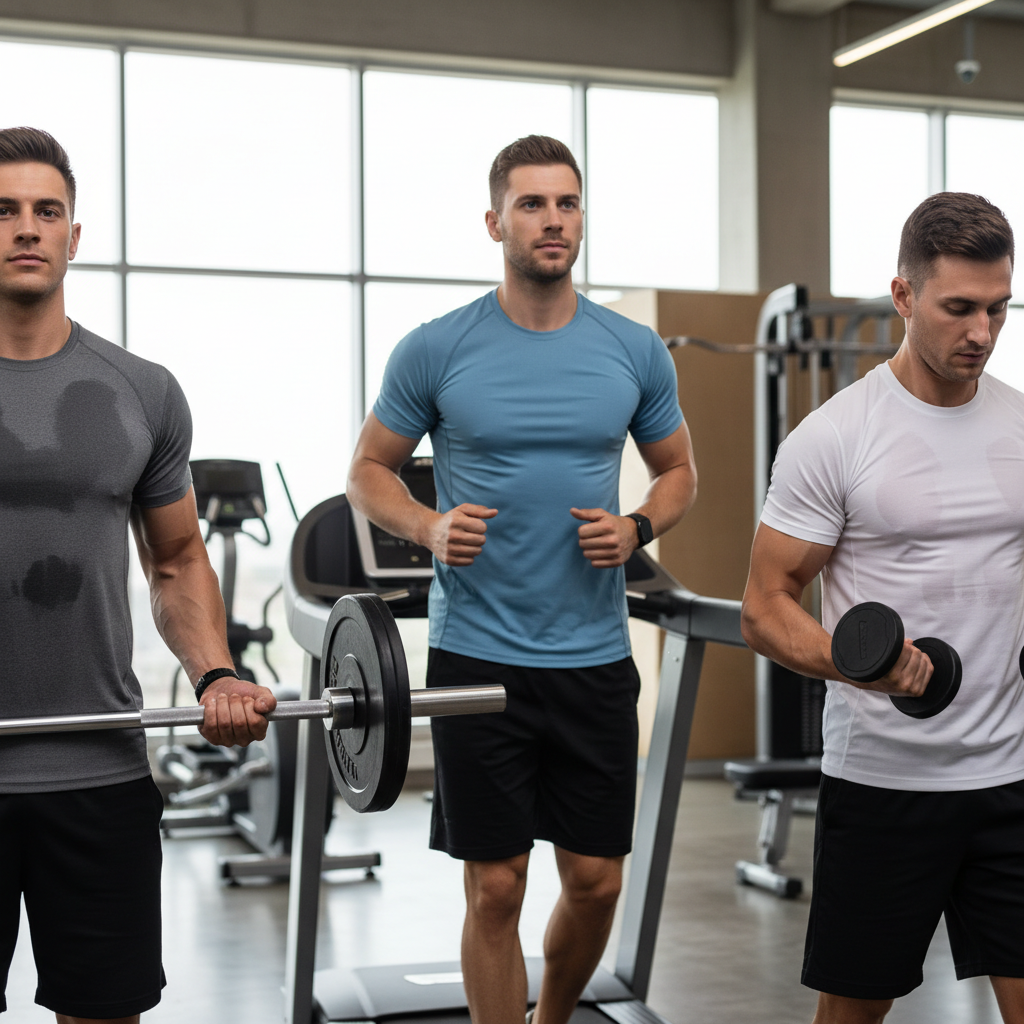
What “quick dry” really means for gym shirts
In most gym apparel, quick-dry is less about the fabric “drying faster in the air” and more about how it handles sweat while you move. A good performance tee pulls moisture off skin and spreads it across the fabric surface so it can evaporate more easily.
Two shirts can both claim quick-dry, yet one feels airy and the other feels like plastic wrap. The difference usually comes from fiber type, knit structure, and whether the fabric has a moisture-wicking finish added.
- Wicking: moves sweat away from skin to reduce that soaked feeling.
- Breathability: allows heat and moisture vapor to escape, especially in high-sweat zones.
- Dry feel: how quickly the shirt stops feeling wet, even if it is not fully dry yet.
Why your current gym tee feels gross (common causes)
If your shirt turns heavy or sticky, it is not always because you “sweat a lot.” A few common culprits show up again and again.
- Too much cotton: Cotton absorbs moisture and holds it, so it often stays damp and chafes during longer sessions.
- Wrong knit for your training: A tight jersey knit can feel smooth, but it may trap heat during HIIT compared with a more open mesh panel.
- Fit that collapses when wet: Some cuts cling to the torso as sweat builds, especially if the fabric has low structure.
- Backpack or bar contact: Friction points from a barbell, bench, or straps can make “fine” fabric feel terrible.
- Odor buildup from laundry habits: Performance fabrics can hold onto oils and deodorant residue if washed with the wrong settings.
According to CDC (Centers for Disease Control and Prevention), staying hydrated and preventing heat-related illness matters during exercise, and clothing that helps manage sweat and heat can be part of staying comfortable, though individual needs vary and medical concerns should be discussed with a professional.
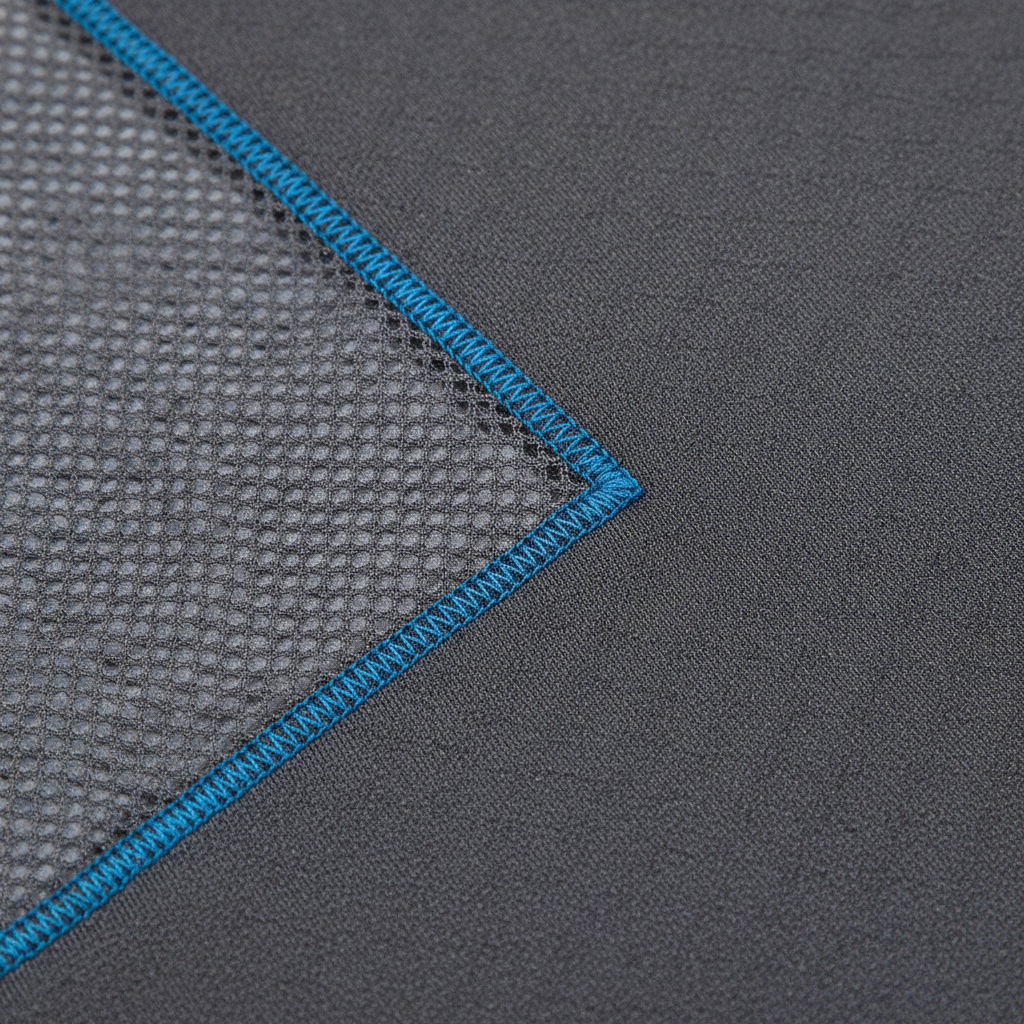
Fabric and build choices that matter most
Here is the honest rule: no single fabric wins for every workout. Your “best” option depends on intensity, temperature, and how sensitive your skin is to cling and seams.
Polyester performance knits
Polyester is the workhorse for men quick dry t shirts gym because it typically wicks well, dries fast, and holds shape. The downsides are odor retention and a “slick” feel in cheaper constructions.
- Great for: HIIT, lifting, indoor gyms, travel.
- Watch for: scratchy hand-feel, shiny finish, poor odor control.
Nylon blends
Nylon often feels smoother and can be more abrasion-resistant, which helps if you hate fabric snagging on benches or barbells. It can run warmer than you expect, depending on knit density.
- Great for: lifting, functional training, outdoor runs in mild weather.
- Watch for: heat buildup if the fabric is too dense.
Poly-cotton “athleisure” tees
Blends can feel softer and more casual, but they usually do not handle heavy sweat as well as true performance knits. Many people buy these and then wonder why the shirt stays damp.
- Great for: light workouts, walking, warm-ups, everyday wear.
- Watch for: slower dry time, cling, and chafing on longer sessions.
Merino wool blends (performance wool)
Merino blends are popular for odor control and comfort, but “quick dry” is mixed: they can feel dry against skin while still holding moisture. If you sweat heavily, you may like the feel, but drying time can vary by fabric weight.
- Great for: travel, studio workouts, moderate cardio, multi-day wear.
- Watch for: durability and price, plus drying time in humid climates.
Construction details: seams, panels, and stretch
Small construction cues often predict whether a shirt will irritate you mid-session.
- Flatlock seams: reduce rubbing, helpful for running and rowing.
- Raglan sleeves: more shoulder freedom for presses and pull-ups.
- Vent panels: mesh underarms or upper back help a lot during cardio.
- 4-way stretch: better for dynamic moves, but can increase cling if fabric is thin.
Quick comparison table: pick the right tee for your workouts
If you just want a fast decision, start here and then fine-tune by fit and features.
| Workout type | What you should prioritize | Good fabric direction | Common mistake |
|---|---|---|---|
| Heavy lifting | Mobility, abrasion resistance | Nylon blend or sturdy polyester | Too thin, rides up on bench |
| HIIT / circuits | Wicking, ventilation | Polyester with mesh zones | Thick “training tee” that traps heat |
| Running | Anti-chafe seams, lightweight | Light polyester or poly-nylon | Loose armholes that rub |
| Hot outdoor sports | Breathability, sun comfort | Open knit polyester, optional UPF | Dark colors with zero airflow |
| Travel / multi-day | Odor control, easy care | Merino blend or treated polyester | Washing too warm, shrinking wool |
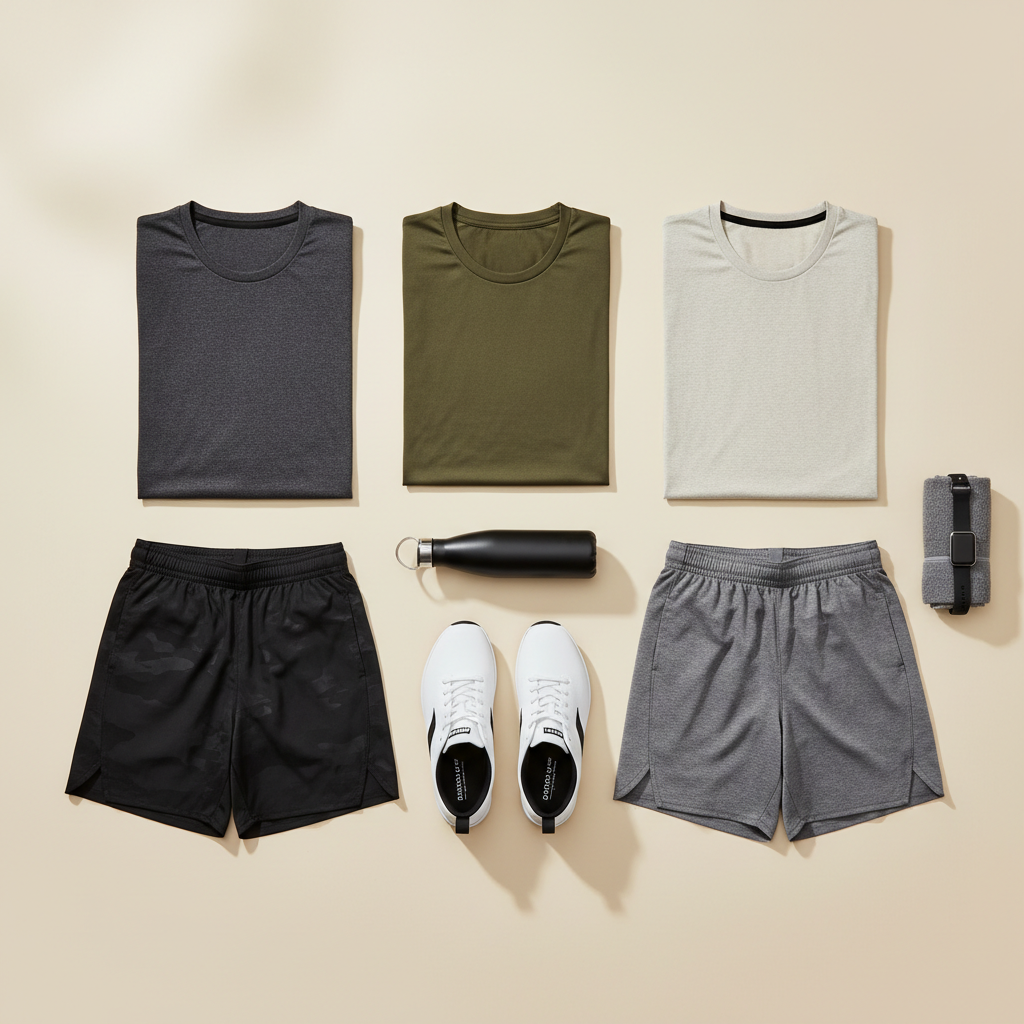
Self-check: which quick-dry gym shirt do you actually need?
Before you buy another “performance tee,” answer these quickly. Your picks become obvious once you name your constraints.
- Do you hate cling? Choose a slightly heavier knit or a structured cut, avoid ultra-thin slick polyester.
- Do you get nipple or underarm chafing? Look for flatlock seams and softer yarns, consider a closer but not tight fit.
- Do your shirts smell fast? Prioritize odor-control treatments or merino blends, and plan better wash habits.
- Do you train in a hot, crowded gym? Favor mesh zoning and lighter fabric weight over “premium thick” tees.
- Do you lift overhead a lot? Raglan sleeves and stretch matter more than marketing terms.
- Do you wear a backpack to the gym? Abrasion resistance and smooth seams will beat super-lightweight fabric.
How to choose: fit, length, and comfort details (practical)
Fabric gets the headlines, but fit decides whether the shirt stays comfortable through the last set.
Fit that works for most training
- Athletic fit (room in chest/shoulders, gentle taper): usually the safest for mixed lifting and cardio.
- Relaxed fit: good airflow, but check armholes and side seams if you run, rowing machines can rub.
- Compression fit: can reduce movement and chafe for some athletes, but it can feel hotter, and sizing needs precision.
Length and hem
- If your shirt rides up on squats or bench, try a slightly longer body or a curved hem.
- For deadlifts and rows, extra length in back often feels better than going wider.
Neckline and shoulder comfort
A tight crew neck can trap heat and feel restrictive. If you notice that “hot collar” feeling, a slightly wider crew or performance V can be a relief without looking sloppy.
Care tips: keep quick-dry shirts working (and smelling) better
Many men quick dry t shirts gym options fail early because of laundry habits, not because the shirt is low quality. This is where you can get easy wins.
- Skip fabric softener: it can coat fibers and reduce wicking over time.
- Wash promptly: letting sweaty shirts sit in a bag makes odor harder to remove.
- Use cool or warm water: hot water may shorten lifespan for some elastane blends.
- Air dry when possible: high heat can damage stretch fibers and warp some knits.
- Odor reset when needed: if smells linger, a sport detergent or a soak can help, but follow label guidance.
According to EPA (United States Environmental Protection Agency), using cold water for laundry can reduce energy use; in practice, many performance fabrics also hold up better with cooler cycles, though stain and odor issues sometimes require warmer settings.
Common mistakes people make when buying quick-dry gym tees
- Buying “quick dry” but ignoring breathability: wicking without airflow can still feel swampy.
- Chasing the lightest fabric: super-thin tees can cling, show sweat marks, and wear out faster.
- Overvaluing anti-odor claims: treatments vary, and wash routine still matters.
- Choosing style over movement: a great-looking shoulder seam that restricts presses will annoy you every week.
- One shirt for every season: indoor winter lifting and summer outdoor runs are different problems.
When to consider more help or a different approach
If you get frequent rashes, severe chafing, or heat intolerance, it may not be a shirt problem. Consider checking in with a healthcare professional, especially if symptoms persist or you suspect a skin allergy to dyes, detergents, or fabric finishes.
If overheating is a recurring issue during training, it can help to review hydration, intensity, and environment as well, and a coach or clinician can offer more personalized guidance.
Conclusion: a simple way to buy your next gym tee with confidence
Men quick dry t shirts gym work best when you match fabric and construction to your real workouts, not the label. If you do mixed training, start with a midweight polyester or poly-nylon tee with comfortable seams, then adjust based on whether your main problem is cling, heat, or odor.
Action step: pick one shirt using the checklist above, wear it for two hard sessions, then buy a second only if it passes your personal “no cling, no stink, no rub” test.
FAQ
What fabric is best for men quick dry t shirts gym workouts?
Many people do well with polyester performance knits because they wick and dry quickly. If odor is your top issue, a merino blend or an odor-treated synthetic can be worth trying.
Do quick-dry shirts prevent sweat completely?
No, they manage moisture better. You will still sweat, but the shirt can feel less heavy and may reduce friction compared with cotton.
Why do my performance shirts start smelling even after washing?
Body oils and detergent buildup can cling to synthetic fibers. Skipping fabric softener, washing promptly, and occasionally using a sport-focused detergent often helps.
Are mesh panels actually useful or just design?
When placed in high-sweat areas like underarms or upper back, mesh usually improves airflow. Poor placement can feel like decoration, so it depends on the shirt design.
Should a quick-dry gym t-shirt fit tight or loose?
For most training, an athletic fit tends to balance airflow and movement. If you run long distances or chafe easily, a slightly closer fit with smooth seams may feel better.
Can I put quick-dry shirts in the dryer?
Often yes, but high heat can reduce lifespan for stretch blends and some finishes. Low heat or air drying is a safer default if the care label allows it.
How many gym shirts do I need if I train 4–5 days a week?
A practical baseline is enough to avoid re-wearing sweaty tops, so many people keep 5–7 in rotation. If you do two-a-days or sweat heavily, you may want more to keep laundry manageable.
If you are trying to narrow down men quick dry t shirts gym options without ordering a pile of returns, it helps to start from your top two priorities, usually odor control and anti-chafe comfort, then choose one “test” shirt and build from there.