
Effortless fashion style is less about “having more clothes” and more about building a small set of reliable outfits you can repeat without feeling boring. If your mornings feel rushed, or you keep buying pieces that don’t go with anything, you’re not alone.
The payoff is real: fewer decisions, fewer returns, and a closet that actually works for your schedule. Think of this as styling that respects real life, school runs, commuting, errands, casual dinners, and the occasional last-minute meeting.
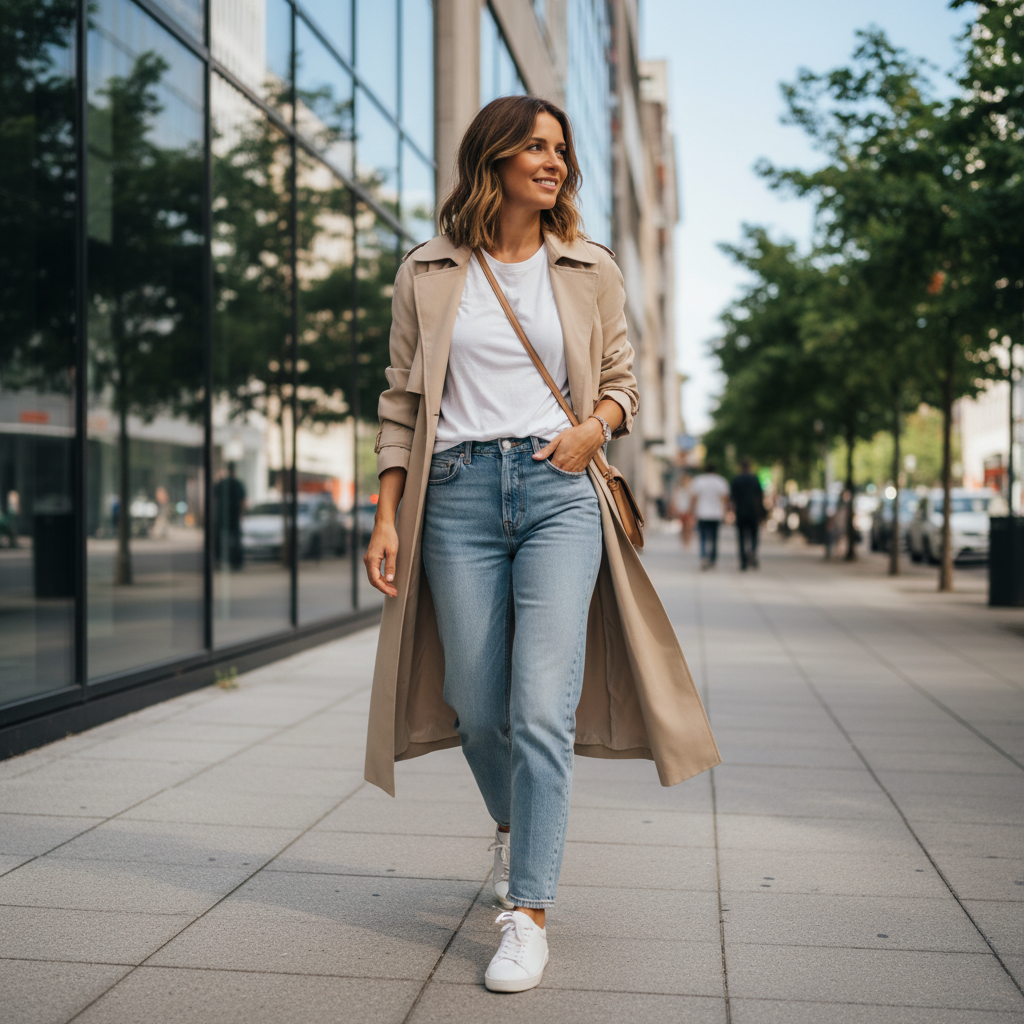
Also, “effortless” doesn’t mean sloppy. It means you’ve already solved the hard parts: fit, color, and versatility. Below you’ll get practical outfit formulas, a mini capsule approach, and quick upgrades that make basics look intentional.
What “effortless” really means (and why it’s hard for most closets)
Most people who say they want an easy daily style are really asking for consistency. They want to look like themselves across different days without re-inventing the wheel each morning.
- Fit is doing the heavy lifting. A $20 tee that fits your shoulders and skims your torso often looks sharper than a trendy piece that pulls or sags.
- Outfits need repeatable structure. If every look requires a “special top” or a fussy shoe, it won’t survive real schedules.
- Your lifestyle is the dress code. A teacher, a remote worker, and someone in a corporate office can all do effortless style, but the “uniform” shifts.
According to Vogue (their recurring style guidance on wardrobe essentials), strong basics and thoughtful styling tend to create more longevity than chasing micro-trends. You don’t need to copy runway looks to look polished on a Tuesday.
A quick self-check: what’s blocking your daily outfits?
If your closet feels full but outfits feel scarce, it’s usually one of these friction points. Mark what sounds familiar, this makes the fixes obvious.
- Too many “statement” items, not enough supporting basics
- Color chaos, lots of pieces that don’t harmonize
- Fit gaps, items are almost right but never feel good
- Shoe bottleneck, you own shoes you like, but they don’t match your real walking/commuting needs
- Layering problems, you’re cold in A/C or stuck between seasons
- Maintenance overload, too many dry-clean-only or wrinkle-prone fabrics
Key point: you don’t have a “style problem,” you have a system problem. Once you build a few dependable combinations, effortless fashion style becomes pretty automatic.
Build a simple wardrobe “core” you can actually repeat
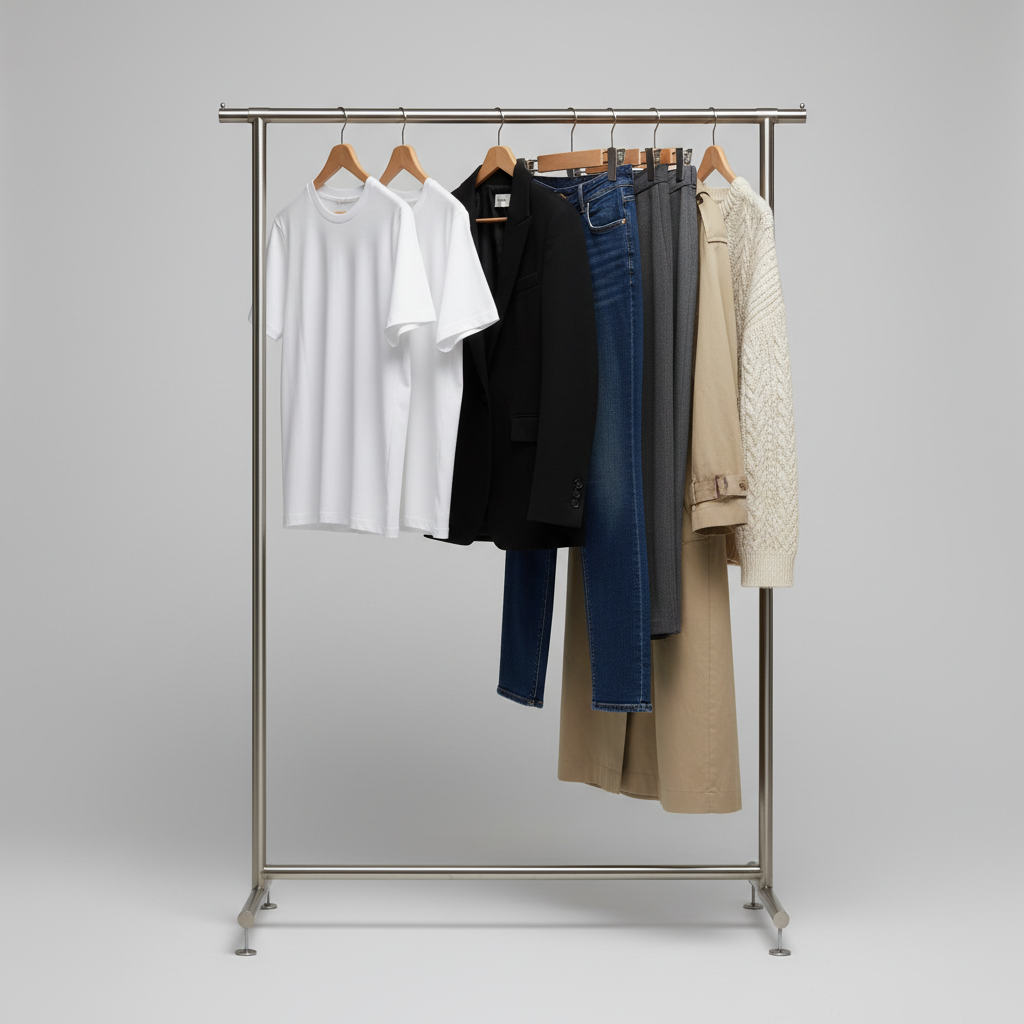
You can call it a capsule or just “the clothes I reach for,” but the idea stays the same: a small core that mixes easily, then a few personality pieces on top.
A practical core (adjust to your climate)
- Tops: 2–3 tees, 1–2 elevated knits, 1 button-up or structured top
- Bottoms: straight-leg jeans, wide-leg trouser or tailored pant, one casual option (denim skirt, jogger, or chino)
- Layers: blazer or structured jacket, cardigan, light coat (trench or utility)
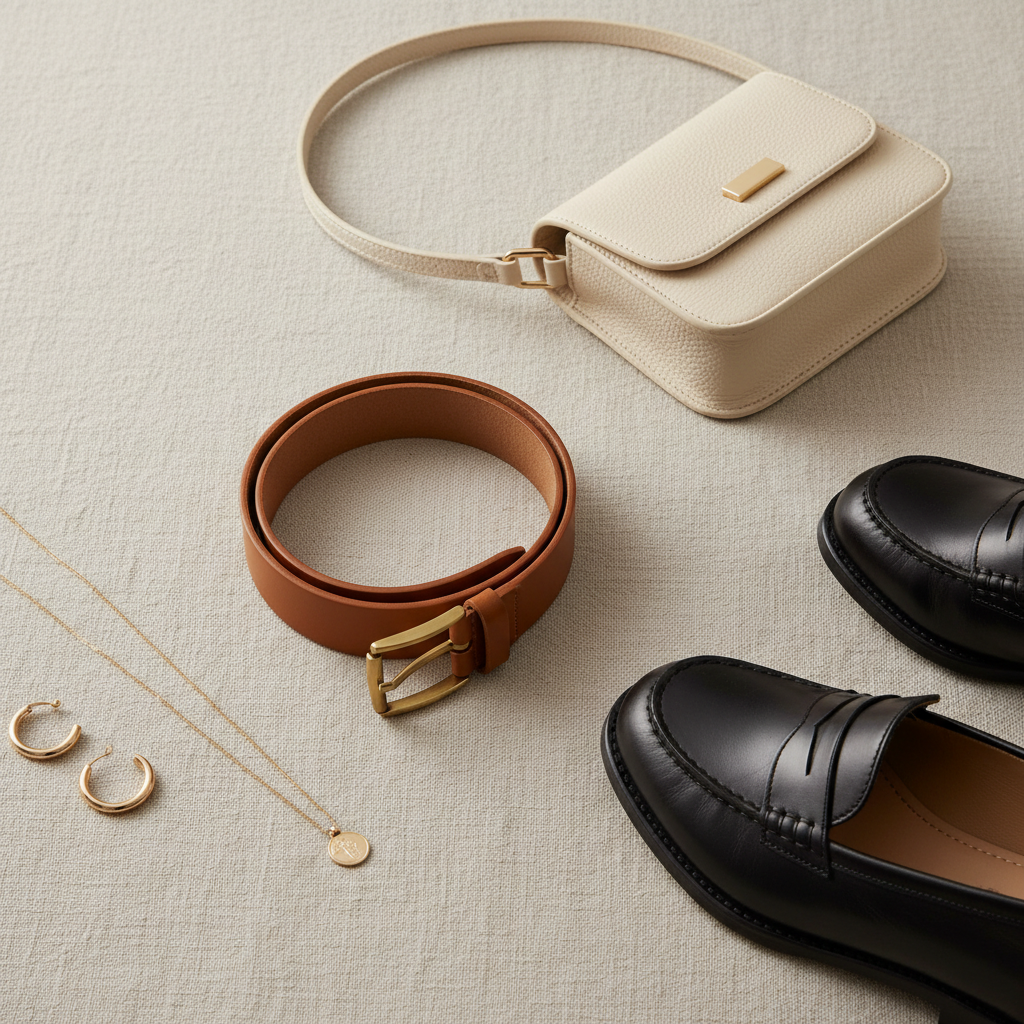
- Shoes: clean sneaker, comfortable flat/loafer, one “dress-up” option that still works for your life
- Bag: a daily tote or crossbody with enough structure to look intentional
If you only do one thing this week, pick a 3-color palette (for example: black, white, and camel) so mixing becomes effortless. This is one of the fastest ways to get that “put-together” look without thinking hard.
Outfit formulas that make effortless style feel automatic
Formulas remove decision fatigue. You’re not copying outfits forever, you’re using a template that you can swap colors and fabrics within.
Five reliable formulas
- Formula 1: Tee + straight jeans + layer (blazer/trench) + clean sneaker
- Formula 2: Knit top + tailored pant + loafer
- Formula 3: Button-up (half-tucked) + denim + belt + minimal jewelry
- Formula 4: Monochrome base (top + bottom) + one contrasting outer layer
- Formula 5: Simple dress + denim jacket or cardigan + sneaker/flat
When people say effortless fashion style “just works,” it’s usually because they’ve been wearing variations of these combinations for years, they’ve simply refined the fit and fabrics.
Small upgrades that make basics look intentional
This is the part most guides skip: basics can look cheap or unfinished if the details fight you. You don’t need a luxury budget, just a few high-impact adjustments.
- Prioritize fabric hand-feel: thicker cotton tees, knits that don’t itch, denim with good recovery (so knees don’t bag out).
- Get hems right: cropped pants that hit the ankle or a clean full-length break changes the whole vibe.
- Add one “structure” piece: a blazer, trench, or tailored jacket makes even leggings look more considered.
- Use a belt strategically: it creates a waistline and makes a simple tuck look planned.
- Pick a signature accessory: small hoops, a watch, or a simple chain, something you can wear daily.
One more honest note: if you’re constantly tugging, adjusting, or feeling “not quite right,” that’s often a fit or comfort issue, not a style issue. Fix that first.
A realistic weekly plan (so you stop overthinking)
Instead of trying to overhaul everything, do a short reset that fits into a normal week. This tends to stick better.
- Day 1: Choose your 3-color palette and set aside anything that doesn’t match (not forever, just for now).
- Day 2: Identify 3 “hero” items you already love and build one outfit around each.
- Day 3: Spot the gap (usually shoes, a layer, or a basic top) and write a short shopping list.
- Day 4: Try outfits for 10 minutes, take quick photos, save them in an album labeled “Daily Fits.”
- Day 5: Prep one grab-and-go outfit for the next morning, including shoes and bag.
When your morning is chaotic, having even two pre-tested outfits is a win. Effortless fashion style builds from small repeatable wins, not giant closet makeovers.
Common mistakes that quietly ruin the “effortless” look
These are sneaky because they don’t feel like mistakes while you’re shopping, but they show up when you’re getting dressed.
- Buying “occasion tops” that only work with one specific bra, one specific pant, and one specific mood
- Ignoring footwear reality, if you walk a lot, your style has to start at the shoe
- Over-layering when you’re trying to look chic, too many pieces often looks fussy, not effortless
- Trendy fits that fight your life, if you won’t reach for it on a regular day, it’s not part of your daily uniform
- Keeping “maybe” items that create clutter and make outfit-building harder
According to Good Housekeeping style and wardrobe organization coverage, editing your closet and creating easy outfit pairings typically reduces the “nothing to wear” feeling more than adding more items.
A quick guide: what to wear for common daily scenarios
Effortless style looks slightly different depending on where you’re going. Here’s a simple reference you can screenshot.
| Scenario | Simple outfit formula | One upgrade that helps |
|---|---|---|
| Work from home | Knit top + straight jeans or tailored jogger + clean sneaker | Structured cardigan or simple jewelry |
| Office (business casual) | Button-up + trouser + loafer | Blazer, belt, or monochrome base |
| Errands + school run | Tee + denim + light jacket | Matching cap + crisp sneaker |
| Casual dinner | Simple dress or knit + wide-leg pant | One dressier shoe and a small bag |
| Travel day | Soft set or tee + trouser + layer | Wrinkle-resistant fabric, hands-free bag |
When it’s worth getting outside help
If you’re stuck in a loop of buying and returning, or you’re dealing with major fit changes, a bit of support can save time and money.
- Tailor: hemming and small waist adjustments can make mid-priced items look far more elevated.
- Bra fitting: if tops never sit right, a professional fitting can change your whole silhouette, comfort also improves.
- Stylist or personal shopper: helpful when you need a work wardrobe fast, or you feel unclear about shapes that flatter you.
If you have skin sensitivities or comfort concerns, fabric choices can matter a lot, and it may help to consult a qualified professional if irritation persists.
Key takeaways to keep your daily style actually effortless
- Effortless fashion style comes from repeatable formulas, not constant creativity.
- Pick a tight color palette, your outfits start “matching themselves.”
- Fix bottlenecks first: shoes, layers, and fit usually matter more than another trendy top.
- Take outfit photos, it’s the simplest way to stop overthinking.
If you want a clean next step, choose one formula above, build two outfits you can wear this week, and note what’s missing. That short list becomes your smarter shopping plan.
FAQ
How do I look effortless without buying new clothes?
Start by choosing a 2–3 color palette from what you already own, then build outfits using a simple formula like tee + denim + layer. A clean shoe and one accessory often makes the biggest difference.
What colors work best for effortless everyday outfits?
Neutrals are popular because they mix easily, black, white, navy, beige, olive, and gray. That said, a “best” palette depends on your wardrobe and what you like wearing, pick colors you’ll repeat.
Can effortless fashion style include trends at all?
Yes, but keep trends in the supporting role. One trend piece paired with your core basics usually looks modern without making your closet harder to use.
What are the best shoes for an effortless look that’s still comfortable?
Clean sneakers, loafers, and streamlined flats tend to work across many outfits. If you walk a lot, prioritize comfort and stability first, style is easier when you’re not in pain.
How many outfits should I “pre-build” for a busy week?
Two to three is enough to feel immediate relief. Once you have those, you can add more combinations over time without turning it into a big project.
Why do my basics look frumpy instead of chic?
Usually it’s fit, fabric weight, or proportions. Try a half-tuck, add structure with a jacket, and check hems, these small changes often shift the whole silhouette.
Is a capsule wardrobe required for effortless style?
No, but a “core” set of mix-and-match pieces helps. Even if you love variety, having 10–15 reliable items makes daily dressing easier.
If you’re trying to lock in effortless fashion style but your closet still feels random, it may help to map your weekly scenarios, pick two outfit formulas, and build a small core around them, that approach stays practical even when trends change.