
Best eyeliner for waterline safe usually means two things at once: it stays put on that wet rim, and it’s less likely to sting, blur your vision, or trigger redness. The tricky part is that the waterline is basically the “high traffic” area of your eye, so products that behave well on the lid can act totally different there.
If you’ve ever had liner migrate into your eye, water like crazy, or feel gritty by lunch, you’re not imagining it. The waterline is close to the tear film and the openings of the meibomian glands, which help keep eyes comfortable. So safety, formula choice, and application technique matter more here than almost anywhere else on the face.
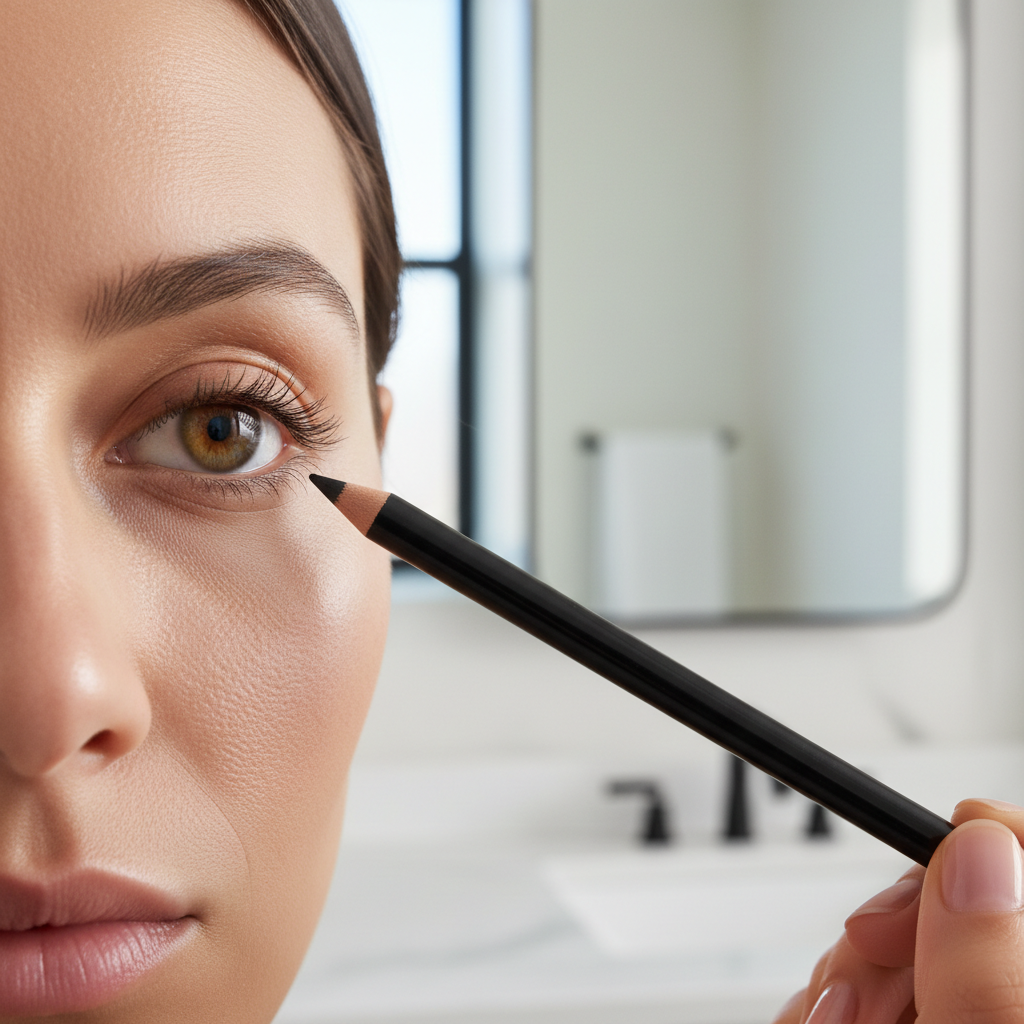
This guide helps you choose a waterline-friendly formula, spot common irritants, and apply liner in a way that’s cleaner and more comfortable. I’ll also flag when “trying a new eyeliner” is not the move and you should talk with an eye-care professional.
What makes waterline eyeliner “safe” (and what doesn’t)
There’s no cosmetic that’s risk-free for everyone, especially around eyes, but “safer” waterline choices tend to share a few traits: minimal migration, lower irritation potential, and better hygiene compatibility. According to American Academy of Ophthalmology, makeup applied close to the eye can contribute to irritation and infection if products are old, contaminated, or applied in ways that block glands.
In real life, the biggest problems come from three buckets:
- Irritation: burning, watering, redness, gritty feeling, blurry vision.
- Transfer: liner dissolves, runs into the eye, or smudges onto contacts.
- Hygiene issues: sharing pencils, using old liners, applying on an unclean waterline.
“Safe” doesn’t have to mean “boring,” but it often means choosing a formula designed to set quickly, skipping heavy fragrance, and being strict about replace dates.
Ingredient and formula clues that usually matter most
If you’re hunting for the best eyeliner for waterline safe wear, the label won’t always spell it out, but certain cues help. For many people, fragrance and some essential oils are the fastest route to stinging, even if the rest of the face tolerates them.
Look for these practical signals
- Ophthalmologist-tested or safe for waterline claims (not perfect, but a helpful filter).
- Contact lens friendly labeling if you wear contacts.
- Long-wear or water-resistant formulas that set, not creamy pencils that stay emollient all day.
Be cautious with these common triggers (varies by person)
- Added fragrance and strong botanical extracts near eyes.
- Very soft kohl formulas that smear easily, especially on watery eyes.
- Glitter/shimmer particles on the waterline, which can feel scratchy if they migrate.
None of this is a diagnosis, it’s a pattern. If you have a history of allergies, blepharitis, or dry eye, you may need a more conservative pick and a shorter wear time.
Quick self-check: which waterline situation are you in?
Before buying yet another pencil, it helps to name your “type.” The fix for transfer is not the same as the fix for stinging.
- My eyes water easily: you’ll usually do better with a faster-setting, water-resistant pencil and tighter application (thin line, not thick).
- I wear contacts: prioritize low-migration formulas and a fresh, sharp point to reduce product crumbs.
- I get redness/itching: simplify ingredients, avoid fragrance, patch-test carefully, and keep wear time shorter.
- I have dry eye or blepharitis history: consider skipping the inner rim on flare days and ask your eye-care professional about makeup placement.
- I only need it for events: a long-wear pencil plus good prep can be enough without daily waterline wear.
If two of these sound like you, lean conservative. The waterline is not the place to “make it work” with a formula your eyes already dislike.
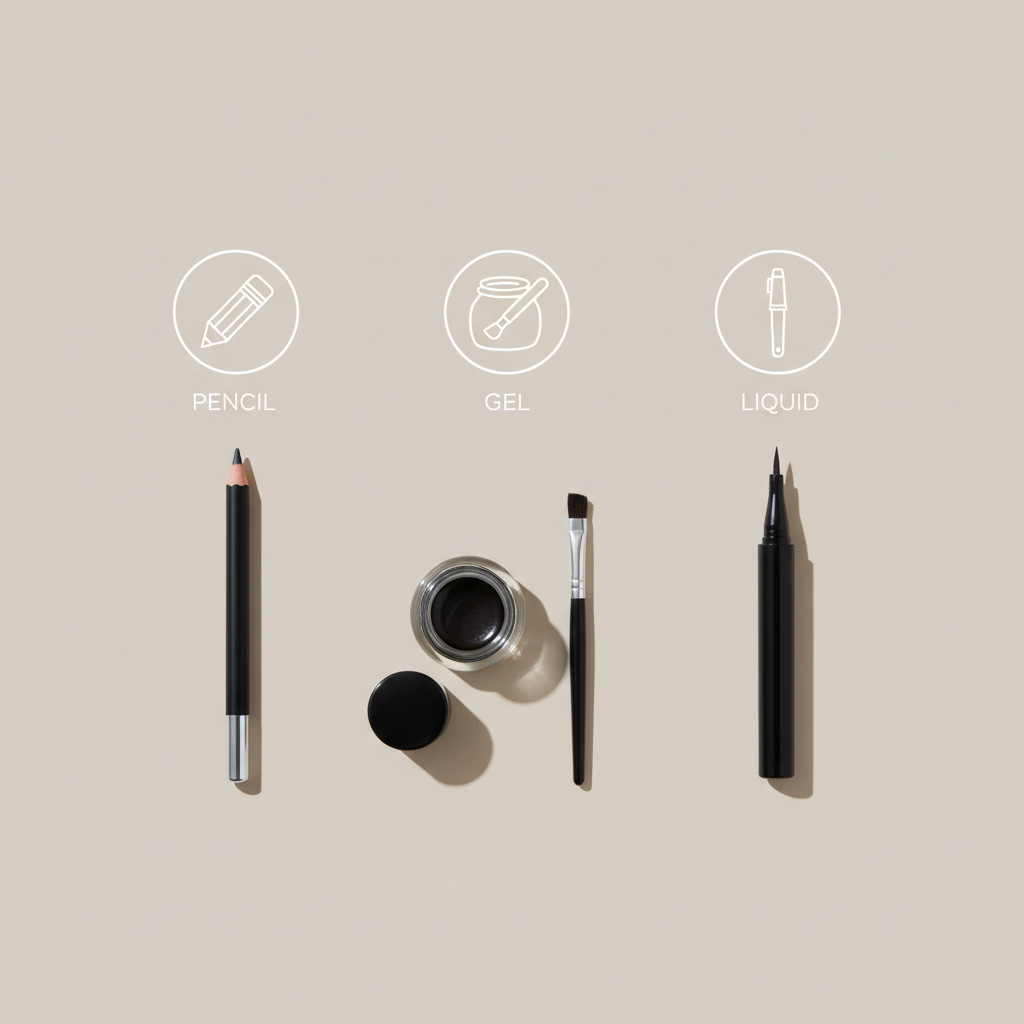
Which eyeliner type tends to work best on the waterline?
Not every format is meant for the inner rim. Here’s a practical comparison you can use at the store.
| Type | Waterline staying power | Irritation risk (general) | Who it suits |
|---|---|---|---|
| Long-wear pencil | High if it sets | Low to medium | Most people, especially beginners |
| Gel pot + brush | Medium to high | Medium | Steady hands, controlled thin lines |
| Liquid liner | Usually poor on waterline | Medium to high | Better for lash line, not inner rim |
| Kohl/smudgy pencil | Low to medium | Medium | Soft smoky look, short wear |
For most people, a setting pencil is the closest thing to the “easy button.” Gel can look amazing, but it’s easier to over-apply and harder to keep hygienic if you double-dip a brush.
How to apply waterline eyeliner with fewer problems (step-by-step)
This is where results change fast. A decent formula plus clean technique often beats an expensive product used messily.
Prep (30 seconds that actually helps)
- Wash hands, then make sure the eye area is free of leftover mascara flakes.
- If your waterline is very wet, blink a few times and gently press a clean tissue near the lower rim to reduce excess moisture.
- Sharpen pencils so you apply with a clean surface, not a rounded, product-heavy tip.
Placement and pressure
- Use light pressure. If you feel like you need to “dig in,” the formula is wrong for you or it’s too dry/old.
- Work in small taps between blinks, aiming at the rim rather than scraping the eye.
- Keep the line thin. Thick waterline application tends to migrate and feel gritty later.
Set it up for longevity
- Wait 10–20 seconds before adding mascara, so the liner can set.
- If you need extra hold, apply a matching powder shadow on the lash line (not necessarily the inner rim) to reduce transfer.
If you’re testing for sensitivity, wear it for a short window at home first. A liner that “only stings a little” often stings more on day three.
Hygiene and replacement: the unglamorous part that protects your eyes
People want the best eyeliner for waterline safe use, but many irritation stories trace back to age and contamination, not the brand. According to CDC, sharing eye cosmetics and using contaminated products can increase the risk of eye infections.
- Don’t share eyeliner or tightlining tools, even with family.
- Replace regularly: many clinicians suggest shorter timelines for eye products, especially if you’ve had irritation or a recent infection.
- Sharpen before use to remove the outer layer, and keep the cap tightly closed.
- Skip waterline makeup when you have active redness, a stye, or you’re recovering from conjunctivitis.
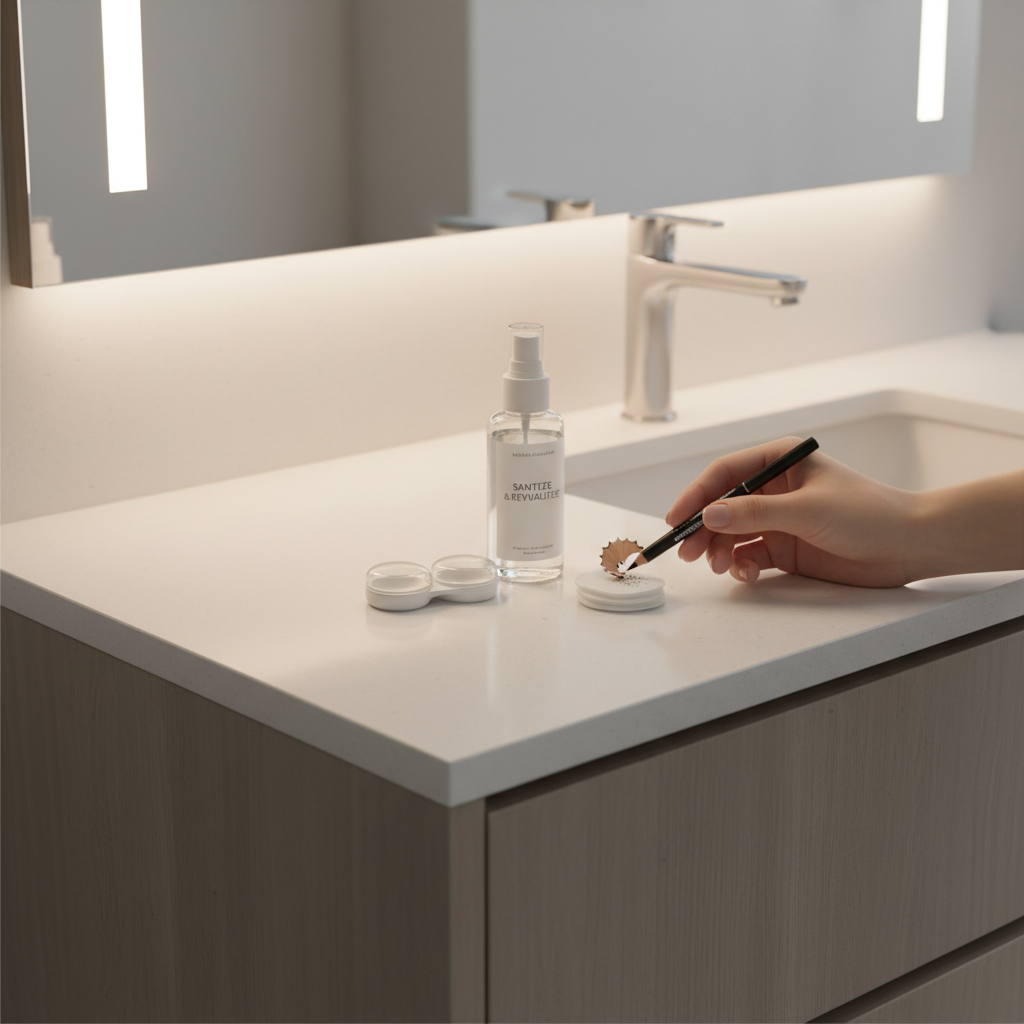
One more practical tip: if the tip smells off, looks separated, or performs dramatically worse than usual, treat it like expired food. Toss it.
Key takeaways + when to get professional help
Here’s the cleanest way to think about it: a waterline liner should set quickly, stay where you put it, and not change how your eyes feel over the day.
- Choose a setting pencil if you want the most consistent waterline results.
- Avoid obvious irritants for you, especially fragrance or very smudgy formulas if your eyes water.
- Technique matters: thin line, light pressure, sharpened tip, short dry time.
- Hygiene is non-negotiable: don’t share, replace more often than face products.
If you notice persistent burning, swelling, discharge, new light sensitivity, or blurred vision that doesn’t clear quickly, stop using eye makeup and consider checking in with an optometrist or ophthalmologist. If you have diagnosed dry eye, blepharitis, or wear contacts and keep getting irritation, a professional can help you figure out whether it’s product choice, placement, or an underlying issue.
If you want a simple next step, pick one waterline-labeled long-wear pencil, patch-test carefully, then commit to clean application for a week before judging it. That one change saves most people a lot of trial-and-error.