
women windbreaker jacket lightweight is usually the piece you reach for when the forecast looks “fine” until it isn’t, a surprise gust on a walk, drizzle on a commute, or chilly air-conditioning on a flight. The tricky part is that many jackets labeled “lightweight” still feel clammy, noisy, or oddly bulky once you actually wear them for an hour.
This guide helps you choose with fewer regrets, what to look for in fabric, hood and hem design, packability, and the small details that decide whether a windbreaker feels like an everyday staple or a closet hanger. I’ll also point out the common marketing traps, because “water-resistant” and “breathable” can mean very different things across brands.
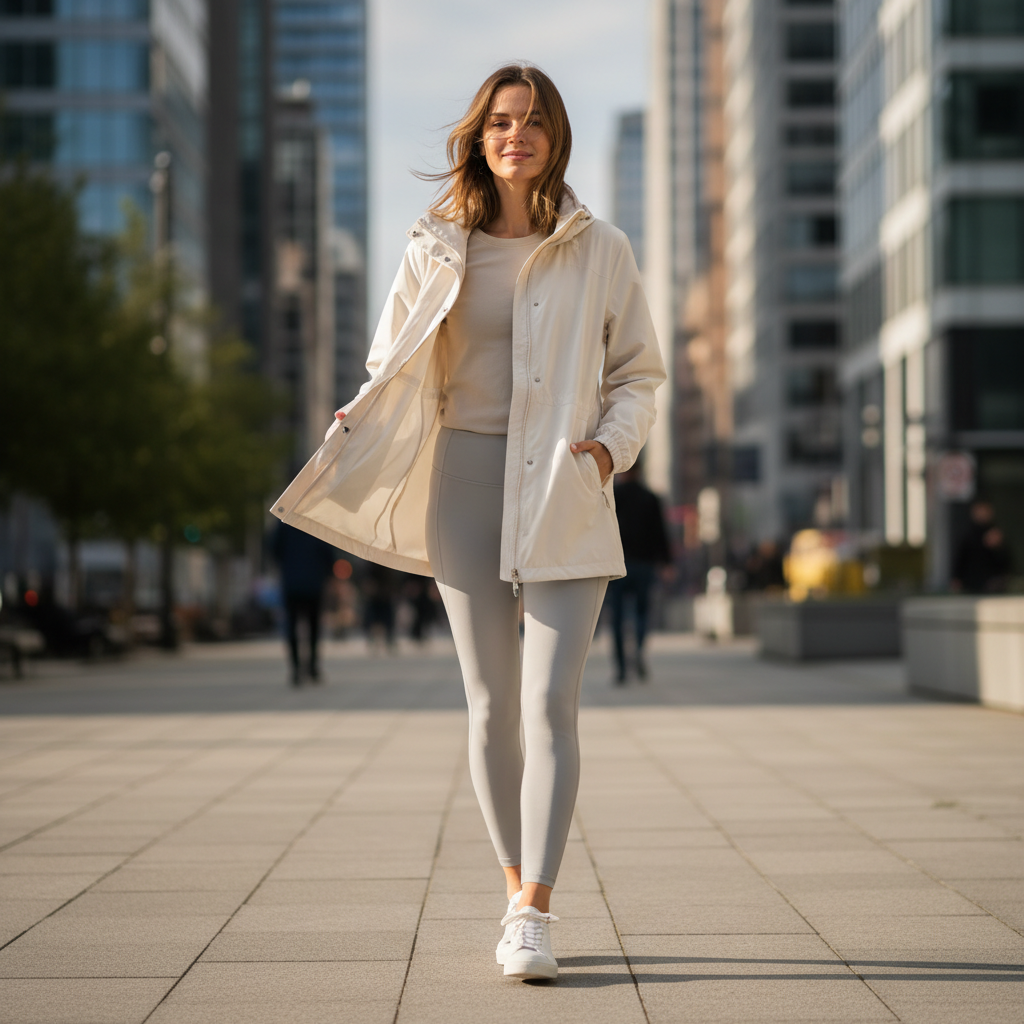
What “lightweight windbreaker” really means (and what it doesn’t)
In real shopping terms, “lightweight” should translate to easy layering and low bulk, not flimsy construction. For most people, the sweet spot feels light on the shoulders, packs down without a fight, and still blocks wind enough that you stop thinking about it.
One important boundary: a windbreaker is primarily for wind and light precipitation. If you need steady-rain protection for long periods, you’re typically looking for a true rain jacket with sealed seams, different category, different tradeoffs.
Wind resistance vs. breathability, the tug-of-war
The more tightly a fabric blocks air, the more likely it traps heat and moisture. That’s why the most comfortable options usually add venting features like a back yoke vent, mesh lining, or underarm eyelets, especially if you plan to wear it while moving.
Quick rule: if you run warm or sweat easily, prioritize ventilation and a softer hand-feel over ultra-shiny “hard shell” windproof fabric.
Key features that actually matter when you wear it
Product pages love feature lists, but a few details decide whether a women windbreaker jacket lightweight works day-to-day. Focus on the pieces that affect comfort, coverage, and usability rather than gimmicks.
- Hood design: A hood with a simple adjuster helps in gusts; a floppy hood often becomes annoying fast.
- Cuffs and hem: Elastic or adjustable cuffs stop wind from “pumping” up your sleeves; a slight drop hem adds coverage.
- Zipper quality: A smooth front zipper and a small zipper garage at the chin prevents scratchy irritation.
- Pockets: Hand pockets that sit comfortably with a backpack hip belt matter for hikers; secure zip pockets matter for travel.
- Noise level: Some windbreakers “crinkle” loudly; if you plan to commute, travel, or wear it indoors, a quieter fabric feels nicer.
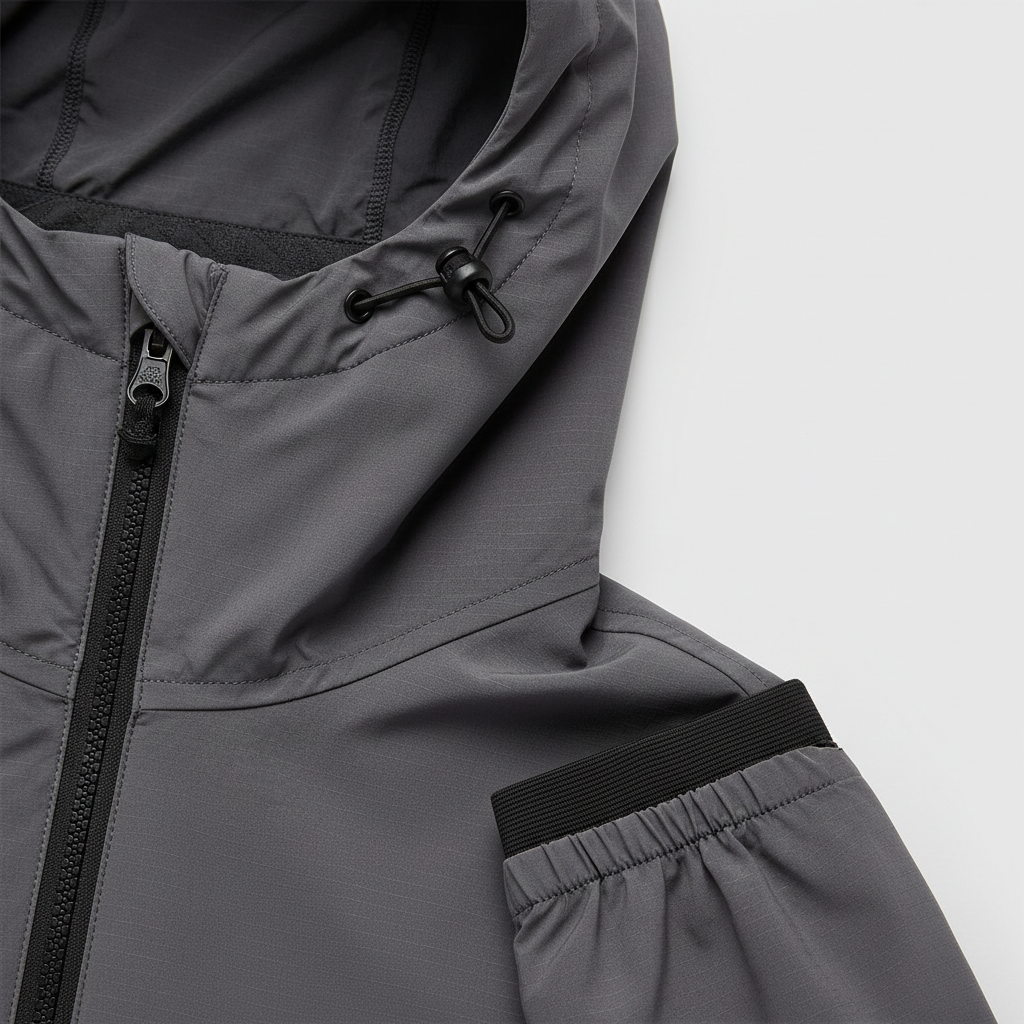
Fabric and finish: how to read between the lines
Brands may describe similar materials in totally different ways, so it helps to anchor your decision on a few common fabric cues. You don’t need to memorize jargon, just know what tends to feel good in your use case.
Common materials you’ll see
- Nylon: Often stronger and more wind-resistant, can feel slick; good for packable jackets.
- Polyester: Often softer and less “crinkly,” sometimes slightly less abrasion-resistant than nylon in thin weights.
- Ripstop weave: Small grid pattern that can help resist tearing; great for travel and trail use.
DWR and “water-resistant” claims
Many windbreakers use a DWR finish that helps water bead on the surface. In practice, DWR can wear off with time, sunscreen, body oils, and frequent washing. If you rely on water resistance, plan to re-treat the jacket occasionally.
According to U.S. Environmental Protection Agency (EPA)... some water-repellent treatments can involve PFAS “forever chemicals,” and product policies vary by brand. If PFAS-free matters to you, look for that statement explicitly and check brand material disclosures.
Fit and layering: the part most people get wrong
A women windbreaker jacket lightweight can look “right” in a mirror and still feel wrong outside. The biggest fit mistake is choosing a trim size that leaves no room for a light fleece or hoodie, then feeling restricted at the shoulders once you start moving.
- For walking and commuting: aim for comfortable arm mobility and room for a midlayer in cool months.
- For running: a closer fit can reduce flap, but you’ll want ventilation and sleeves that don’t creep up.
- For travel: prioritize comfort seated, pockets you can access, and a collar/hood that doesn’t bunch.
Try this in a fitting room or at home: raise your arms, cross your arms like a self-hug, and sit down. If the hem rides up a lot or the shoulders pinch, size or cut may be off.
Fast self-check: which windbreaker type fits your life?
If you want a quicker path to the right rack, use this checklist. Most people fall clearly into one lane once they stop shopping “generally” and start shopping for their actual week.
- You need “everyday packable” if you want something that lives in a tote, blocks wind on errands, and feels soft enough indoors.
- You need “active breathable” if you hike, run, or bike and hate that sticky feeling when you warm up.
- You need “weather-leaning” if your city gets frequent mist and wind, and you’d rather trade some breathability for better coverage.
Feature comparison (quick reference)
| Use case | Priorities | Nice-to-have features | Common tradeoff |
|---|---|---|---|
| Commute / errands | Comfort, quiet fabric, pockets | 2-way zipper, adjustable hem | Less technical wind blocking |
| Running / training | Breathability, mobility | Vents, reflective details | Less water resistance |
| Hiking / travel | Packability, durability | Ripstop, stowable hood | More “crinkle” texture |
| Wind + light rain | Better face fabric, hood seal | Brimmed hood, storm flap | Can feel warmer inside |
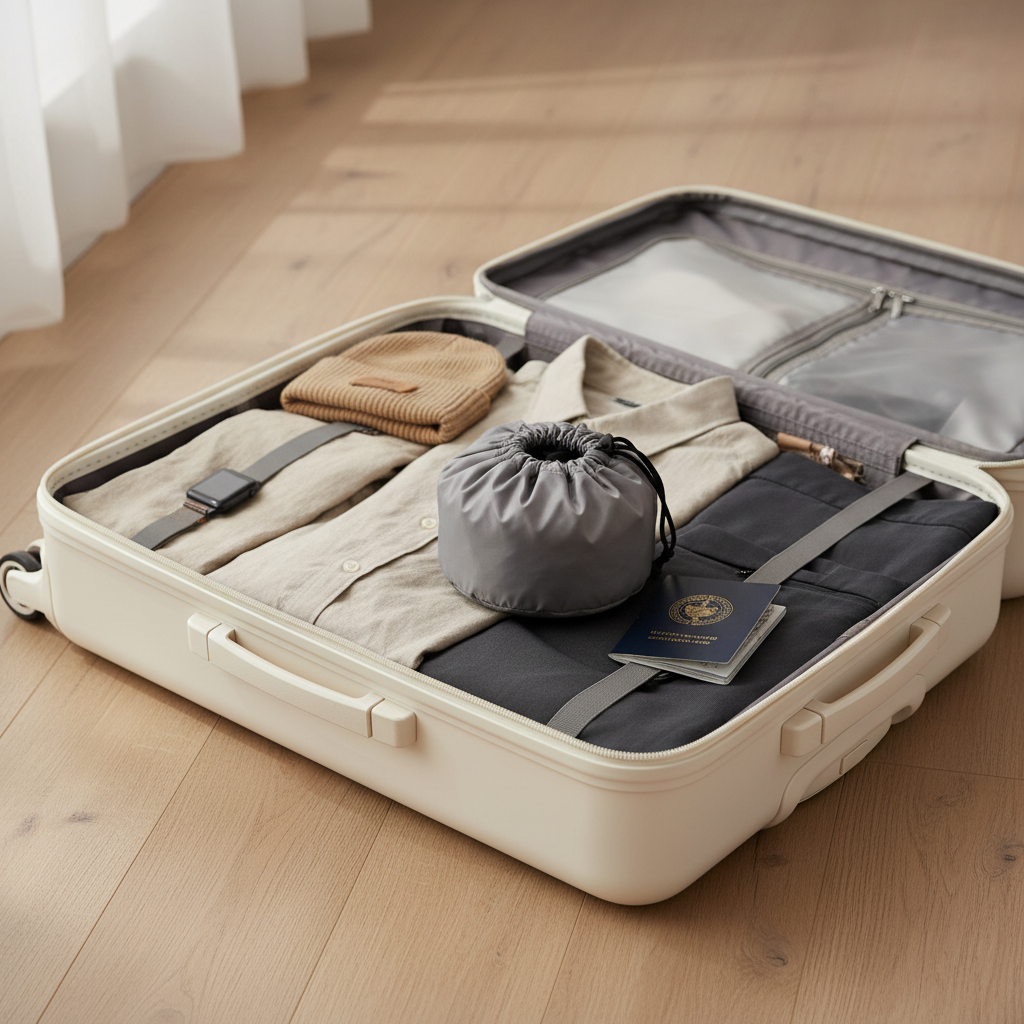
Practical buying tips (so you don’t overpay or under-buy)
Most “bad purchases” happen because you buy for a fantasy use case. A few grounded checks help you match a jacket to your climate and routine without chasing specs that won’t matter.
- Check the hood while turning your head: if it blocks side vision, it becomes frustrating in wind.
- Look at pocket placement: if you carry a crossbody or backpack, make sure pockets stay reachable.
- Decide on lining: unlined packs smaller, lined can feel less clammy against skin.
- Don’t ignore length: a slightly longer cut can feel warmer because it blocks drafts, even if fabric weight stays light.
Key takeaways before you click “Buy”
- Pick the use case first, then pick features, not the other way around.
- Ventilation beats hype if you wear it while moving.
- Fit is a feature, especially shoulder room and sleeve length.
Care, longevity, and when to replace
Light jackets live a hard life: stuffed into bags, rubbed by backpack straps, exposed to sunscreen and sweat. Gentle care keeps the fabric performing longer and helps water repellency last.
- Wash less often, but wash smarter: when it’s grimy, use mild detergent and follow the care label.
- Avoid heavy fabric softeners: they can reduce water beading and affect breathability on some finishes.
- Re-treat DWR if needed: if rain stops beading and the surface darkens quickly, it may be time for a spray-on or wash-in treatment.
If you see delamination, seam tape peeling, or persistent odor that doesn’t improve after proper washing, replacement might make more sense than repeated fixes.
Conclusion: a smarter way to choose your next windbreaker
If you want one jacket you actually wear, choose your women windbreaker jacket lightweight based on your most common week, not your most ambitious weekend. For many people, the “best” windbreaker is simply the one that feels comfortable at the collar, seals wind at cuffs and hem, and packs away without becoming a wrinkled brick.
Your next step: write down your top two use cases, then filter options by fit and ventilation before you worry about extra features. That small order-of-operations saves time, and usually saves money too.
FAQ
What is the difference between a windbreaker and a rain jacket?
A windbreaker focuses on blocking wind and handling light drizzle, while a rain jacket typically uses more waterproof construction and often sealed seams. If you expect steady rain, a true rain shell tends to perform better, though it may feel less breathable.
Is a women windbreaker jacket lightweight warm enough for winter?
By itself, usually not for most U.S. winters. Many people use it as an outer layer over fleece or a light puffer, which works well because wind protection can make your midlayer feel warmer.
How should a lightweight windbreaker fit?
Comfortable in the shoulders with enough room for a thin midlayer, and sleeves that don’t ride up when you reach forward. If you plan to run, you may prefer a trimmer cut, but it still shouldn’t restrict arm swing.
What features matter most for travel?
Packability, quiet fabric, and secure pockets usually matter more than extreme windproof claims. A hood that stows or sits flat can also be a big comfort win on planes and trains.
How do I know if it’s breathable enough for workouts?
Look for vents, mesh panels, or design cues that allow air exchange. If a jacket feels like a plastic film when you try it on, it may trap heat during higher-output activities.
Does “water-resistant” mean it’s waterproof?
No, and the gap can be big. Water-resistant often means it can shed light moisture for a short time, especially when the DWR finish is fresh, but it can wet out in prolonged rain.
Can I restore water repellency at home?
Often, yes. Many people get improvement from proper washing and reapplying a DWR treatment, but results vary by fabric and how worn the surface is, so it’s not always a permanent fix.
If you want an easier shortlist
If you’re trying to narrow choices fast, focus on your main use case and your “non-negotiables” like hood adjustability, pocket security, and whether you want a lined feel. If you need a more streamlined plan, sharing your climate, typical activities, and layering preferences can help you filter to a few options that make sense without overthinking specs.