
women high waisted bikini bottom shopping sounds simple, until you try a few on and realize how quickly “supportive” can turn into rolling, digging, or feeling oddly tight in the wrong places.
The good news is the fit issues are usually predictable, and once you know what to look for, you can narrow your choices fast, especially if you shop online and want fewer returns.
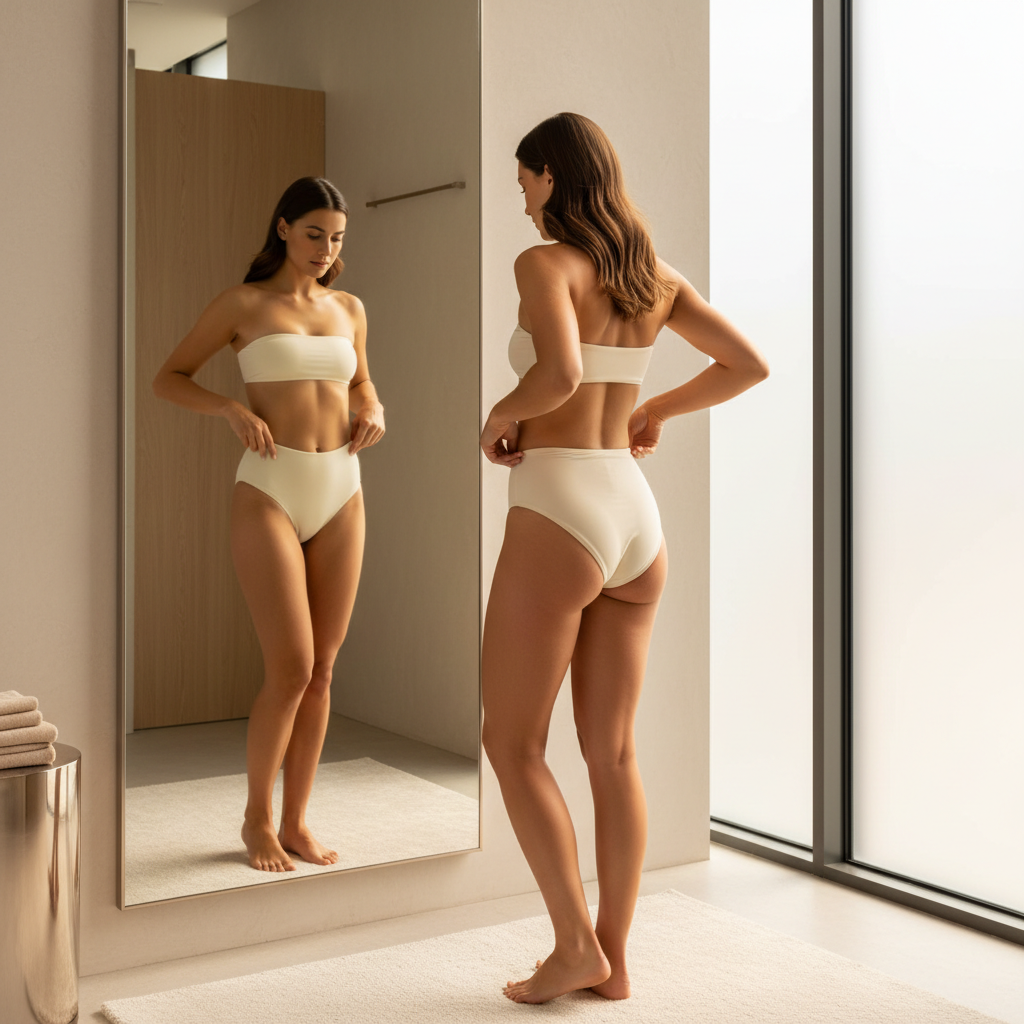
This guide breaks down what actually changes between rises, cuts, and fabrics, plus a quick self-check to figure out what style will feel secure on your body, not just look good on a model.
Why high-waisted bottoms feel great on some days and annoying on others
A higher rise can be smoothing and comfortable, but it also covers more surface area, so small fit problems show up faster. Here are the usual culprits.
- Rise hits the wrong spot on your waist. If the top edge lands at your softest point, it may fold or roll when you sit.
- Waistband tension is uneven. Some styles are tight at the top edge but loose at the lower tummy, so they slide and then “catch” on the hips.
- Leg opening cut conflicts with your hip shape. High-cut legs can lengthen the look of your legs, but if the opening is too narrow it can pinch.
- Fabric weight is too light for the design. A very thin knit can look cute, then turn sheer when wet or lose hold after a few swims.
According to the American Academy of Dermatology Association, tight, rubbing clothing can contribute to skin irritation in many situations, so comfort and movement matter as much as appearance when you plan a full beach day.
Quick self-check: which fit problem are you solving?
Before you buy, call out the main issue you want to fix. This sounds basic, but it stops you from ordering three versions of the same bottom that all fail the same way.
- Rolling at the top edge: look for a wider waistband, firmer fabric, or a slightly lower “high rise” that sits below your natural waist.
- Digging at the waist: consider a seamless or bonded edge, or a style with gentle compression rather than a tight elastic band.
- Back coverage feels skimpy: choose “full” or “classic” coverage and check photos from the back, not only front angles.
- Lower belly wants more smoothing: prioritize double-lining and thicker materials, not just more height.
- Hip dips show through: a ruched front, textured fabric, or a slightly higher leg can change the visual line.
If you’re unsure, prioritize the discomfort you notice first. A bottom that looks “snatched” for one photo but irritates you after 20 minutes won’t become your go-to.
How to pick the right rise, cut, and coverage (without overthinking)
Rise: “high waist” isn’t one height
Brands label differently. One company’s high rise might sit just under your belly button, another reaches your natural waist. When sizing charts include a “front rise” measurement, it usually helps more than the marketing term.
- Short torso: a mid-high rise often looks proportionate and avoids bunching under the ribcage.
- Long torso: true high rise can feel secure and prevent the “not enough coverage” sensation in front.
Leg cut: this is where comfort often wins or loses
A more open, higher-cut leg can feel less restrictive on the thighs, but it also changes coverage and can shift during walking. If you hate readjusting, look for a moderate leg opening with stable seams.
Back coverage: be honest about your real use
If you plan volleyball, chasing kids, or paddleboarding, “cheeky” can feel like a constant negotiation. For lounging, it may be fine. This is preference, not a moral decision.
Fabric and construction checklist that actually matters
Most shoppers focus on print and color, then regret it when the bottom relaxes after two swims. A few construction details can predict how a women high waisted bikini bottom will behave.
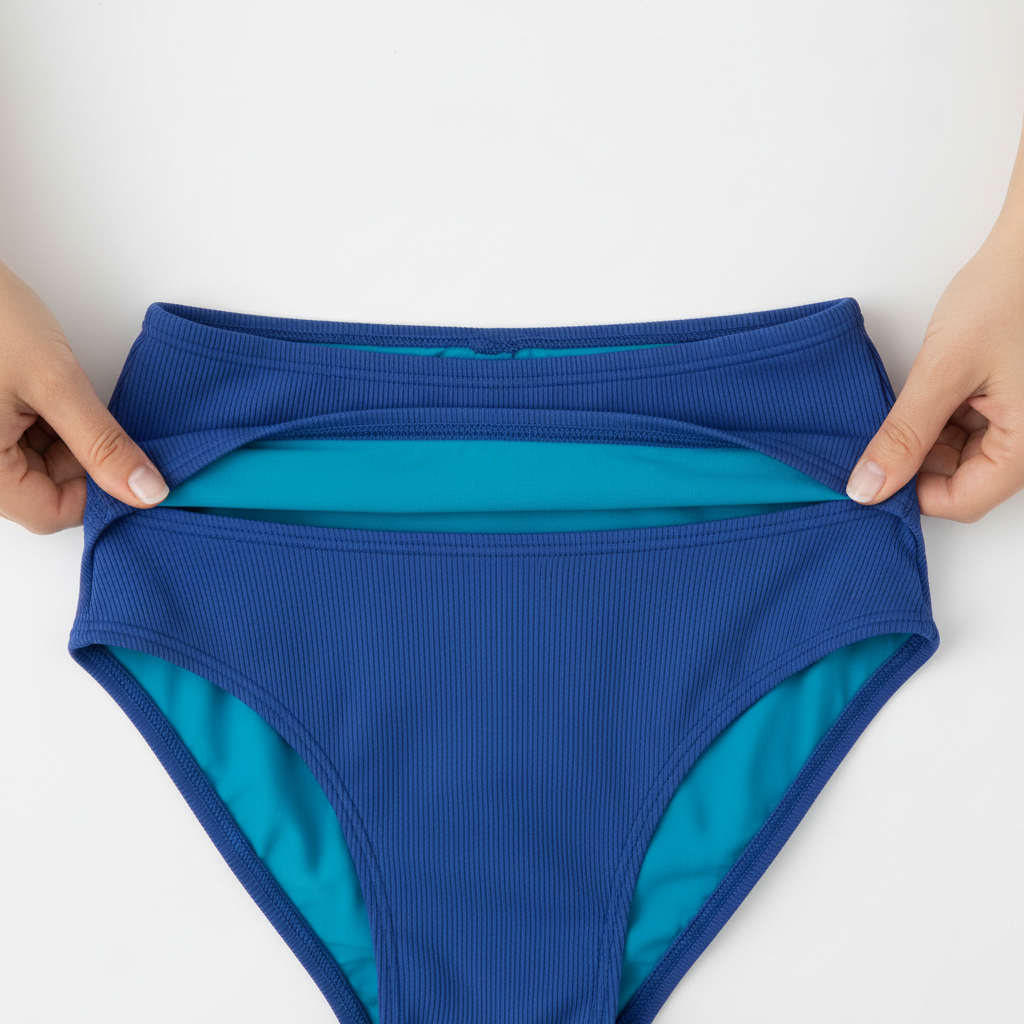
- Double lining: often improves opacity and helps the front panel lay smoother.
- Seam type: flat or bonded seams tend to reduce rubbing, especially at the waist and leg opening.
- Stretch recovery: fabric should snap back after a gentle pull, not stay “wavy.”
- Waistband design: a wider waistband distributes pressure and can reduce rolling for many body types.
According to the Federal Trade Commission (FTC), clothing labels typically list fiber content, which can help you compare materials across brands even when product descriptions sound similar.
A practical comparison table: choose your best match
Use this as a shortcut when you’re stuck between two similar-looking options.
| What you want | Look for | Usually avoid |
|---|---|---|
| Smoother front without feeling squeezed | Double lining, medium-weight fabric, wide waistband | Very thin fabric, narrow elastic top edge |
| No rolling when sitting | Rise that reaches natural waist, structured waistband | Extra-tall rise on short torso, loose lower tummy panel |
| More leg comfort | Moderate-to-higher leg cut with soft binding | Tight leg elastics, stiff seams at bikini line |
| Classic coverage for active days | Full/classic back, secure side panels | Very narrow sides, ultra-cheeky cuts |
| Less visible texture under wet fabric | Textured knits, darker colors, better lining | Light colors in single layer |
Try-on steps that reduce returns (especially for online orders)
Fit checks work best when you mimic real movement, not just a mirror pose.
- Do a sit test: sit normally, then stand up. If the waist flips, the rise or waistband structure probably isn’t right.
- Walk and take a long step: leg openings that pinch will show up fast.
- Check coverage symmetry: if one side rides higher, the cut may not match your hip shape or the size may be off.
- Do a “wet logic” check: if fabric already looks borderline sheer dry, it may be worse when wet.
- Pair with the top you’ll wear: a longline top can change how high-waist proportions look.
Key point: if you like the look but the waistband hurts, sizing up sometimes fixes it, but not always. When the pattern is wrong for you, a different cut beats a different size.
Mistakes people make with high-waisted bikini bottoms
- Assuming “more coverage” equals “more flattering.” In practice, the right leg cut can matter more than height.
- Buying heavy compression for all-day wear. Compression can feel secure, but too much can irritate skin or feel restrictive over time.
- Ignoring edge finishing. That tiny elastic at the waist is often the difference between smooth and digging.
- Only judging fit standing up. Beach days involve sitting, bending, and walking.
When it’s worth getting extra help (or choosing a different style)
If you frequently get chafing, rashes, or persistent irritation around the waist or bikini line, it may be worth asking a healthcare professional for guidance, especially if symptoms repeat with multiple suits. Skin sensitivity, shaving habits, and heat can all play a role, and a different cut or softer edge finishing can sometimes help.
Also, if you’re between sizes and every women high waisted bikini bottom feels either loose in the lower tummy or tight at the waist, consider mix-and-match sizing or brands that offer multiple rise options rather than forcing one “standard” fit.
Conclusion: what to prioritize so you actually enjoy wearing it
A flattering high-waist bottom usually comes down to three things: the rise landing where your body can support it, a waistband that distributes pressure, and leg openings that move with you. Once those are right, color and print become the fun part again.
If you want a simple next step, pick one style aligned to your main goal, then do the sit-and-walk test at home within the return window. It’s boring, but it saves money and frustration.
FAQ
What’s the difference between “high-waisted” and “high-rise” bikini bottoms?
Brands often use them interchangeably, but “high-rise” sometimes signals a higher leg cut, not only a taller waist. Checking rise measurements and back photos gives a clearer picture than the label.
Do high-waisted bikini bottoms make your stomach look flatter?
They can create a smoother look, especially with double lining or firmer fabric, but results vary by body shape and waistband construction. If the top edge rolls, it can do the opposite visually.
Why does my high-waisted bottom roll down when I sit?
Usually the rise hits a soft point or the waistband is too narrow or too tight. A slightly lower rise or wider waistband often behaves better during sitting and bending.
Should I size up in a women high waisted bikini bottom if it digs in?
Sometimes sizing up helps, especially if the fabric is firm and the seams feel tight. If the waist still digs while the hips feel loose, the cut may not match your proportions, so switching styles can be smarter.
Are seamless high-waisted bottoms better for sensitive skin?
Many people find bonded or seamless edges reduce rubbing, but fabric texture and fit still matter. If you’re prone to irritation, softer edges plus a moderate leg opening often feels more forgiving.
What fabrics hold up best in chlorine and saltwater?
Many swim fabrics are designed for water exposure, but durability varies by blend and finish. Rinsing after swimming and following care instructions usually helps; if you swim frequently in pools, consider suits marketed for chlorine resistance.
Will a high-waisted bottom stay in place for active swimming?
It can, if the waistband has enough structure and the leg openings aren’t too loose. For active use, look for secure side panels and classic coverage rather than very narrow sides.
If you’re trying to find a women high waisted bikini bottom that feels smooth but still lets you move, it often helps to shortlist two cuts with different leg openings, then compare them using the same try-on steps, you’ll learn your “non-negotiables” quickly and shop faster next time.