
Best lip balm for dry lips choices in 2026 come down to two things most people miss: what’s actually causing your dryness, and whether your balm is protecting lips or quietly irritating them.
If your lips feel tight every afternoon, split at the corners, or peel no matter how often you reapply, it’s usually not because you “forgot lip balm.” Many products feel good for 10 minutes, then leave you reaching for more, that cycle is a clue.
This guide breaks down what to look for by scenario, which ingredients tend to help (and which often backfire), and a simple way to choose a stick, tube, or ointment that fits your routine without turning into a bedside, pocket, car console scavenger hunt.
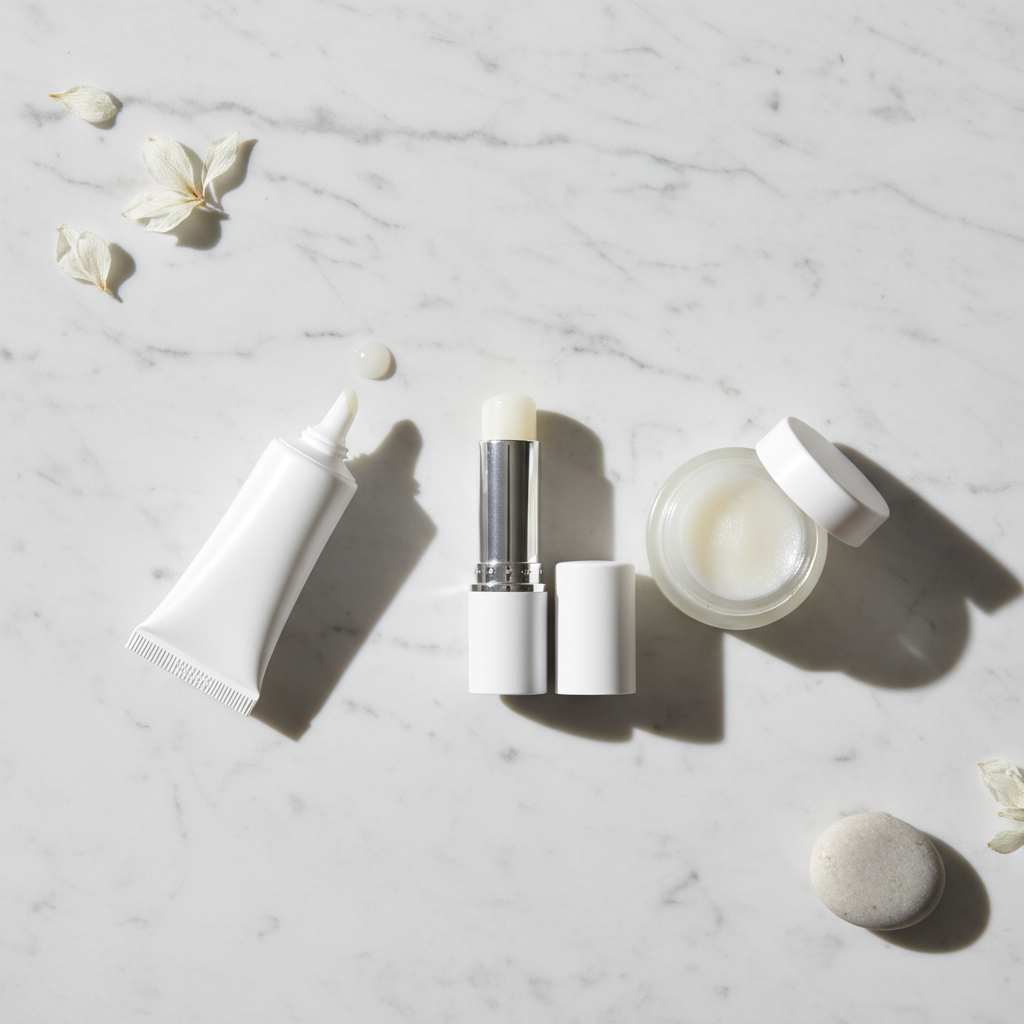
What usually causes dry lips (so you pick the right balm)
Dry lips can be simple weather exposure, but plenty of people get stuck because the trigger is behavioral or product-related. The “best” formula depends on that trigger.
- Low humidity + wind + sun: water leaves the skin fast, you need occlusion and sometimes SPF.
- Licking or biting: saliva evaporates and pulls more moisture out, the surface barrier stays disrupted.
- Overuse of fragranced or minty balms: some flavoring agents can sting or irritate, especially on already cracked lips.
- Actives migrating from face products: retinoids, acids, and benzoyl peroxide can creep to the lip line and cause peeling.
- Medical or allergy factors: angular cheilitis, contact dermatitis, or infections can mimic “just dryness,” and they often need targeted care.
According to the American Academy of Dermatology Association, frequent lip licking can worsen chapping, and using a fragrance-free lip balm with ingredients like petrolatum can help protect the lips.
Quick self-check: what kind of dry lips do you have?
Use this fast checklist before you buy anything. It saves money and frustration.
- Peeling mostly in the morning: you may need a thicker overnight occlusive, plus a bedroom humidifier if your air runs dry.
- Cracks at the corners: consider irritation, drooling at night, or possible yeast/bacterial involvement, a basic balm alone often falls short.
- Burning or stinging with “cooling” balms: avoid menthol, camphor, peppermint, and heavy fragrance.
- Dryness only outdoors: wind and UV exposure point to a barrier balm and SPF lip product.
- Constant reapplying: you might be using a balm that feels slippery but doesn’t seal moisture (or includes irritants).
If your lips look swollen, develop a rash beyond the lip line, or crack and bleed frequently, it may be worth checking with a dermatologist, because contact allergy is common and easy to misread as “dry skin.”
Ingredients that tend to work (and the ones that often don’t)
Most “best lip balm for dry lips” lists focus on brands. Realistically, ingredients matter more than marketing, especially if you’re sensitive.
Look for these (they do different jobs)
- Occlusives (seal): petrolatum, mineral oil, dimethicone, lanolin. These reduce water loss, which is usually the main problem.
- Emollients (smooth): shea butter, cocoa butter, squalane, ceramides. These soften rough texture and improve comfort.
- Humectants (pull in water): glycerin, hyaluronic acid, panthenol. Helpful when paired with an occlusive so the water stays put.
- Soothers (calm): colloidal oatmeal, allantoin, bisabolol. Nice when lips feel reactive.
Be cautious with these if you’re already chapped
- Strong flavors/fragrance: can trigger irritation or allergic reactions in some people.
- Menthol/camphor/peppermint: that “tingle” can feel satisfying but often worsens cracked lips.
- Salicylic acid or heavy exfoliating claims: can be useful occasionally, but on actively cracked lips it can backfire.
According to the Mayo Clinic, petroleum jelly can help soothe and protect chapped lips by locking in moisture, which is why many dermatologists still recommend it as a baseline option.
2026 buying guide table: match balm type to your situation
Instead of “one perfect product,” here’s a practical way to pick a format and ingredient profile that usually fits the moment you’re in.
| Situation | What to prioritize | Best format | Common deal-breakers |
|---|---|---|---|
| Everyday mild dryness | Occlusive + comfortable slip | Stick or slim tube | Strong fragrance, “plumping” tingle |
| Severe cracking/peeling | High-occlusion, minimal irritants | Ointment in tube | Menthol, exfoliating acids, heavy flavor |
| Outdoor sun/wind | SPF + water-resistant wear | SPF stick | Skipping reapplication, low SPF |
| Overnight repair | Thick seal, stays in place | Ointment or “mask” texture | Too thin, migrates easily |
| Sensitive or allergy-prone | Fragrance-free, short ingredient list | Tube or stick | Essential oils, flavor blends |
How to use lip balm so it actually fixes dryness
The product matters, but technique decides whether you keep chasing relief or finally stabilize. This is the part people roll their eyes at, then realize it’s the missing piece.
Daytime routine (takes 30 seconds)
- Apply on slightly damp lips if possible, even a quick sip of water and a gentle blot helps.
- Use a thin layer first, wait a minute, then add a second layer only if lips still feel tight.
- If you’re outdoors, pick an SPF lip product and reapply like sunscreen, not like makeup.
Night routine (best “repair window”)
- Keep face actives away from the lip line, especially retinoids and acids.
- Apply a thicker occlusive layer before bed, think ointment texture rather than a waxy stick.
- If you wake up dry every day, consider adding humidity, many homes run dry in winter or with HVAC.
When people ask for the best lip balm for dry lips, what they often need is a better “seal” step at night and a less irritating formula during the day.
Common mistakes that keep lips dry (even with good products)
These are easy to overlook because they feel harmless in the moment.
- Using a balm like a fidget tool: constant swiping can irritate already fragile skin.
- Scrubbing flakes off: it looks satisfying, but it can reopen micro-cracks and prolong healing.
- Switching products every two days: lips need time to calm down, frequent switching complicates troubleshooting.
- Ignoring toothpaste and mouthwash: some flavors and surfactants can irritate, especially if you’re sensitive.
- Relying on “plumping” formulas: many use mild irritants to swell lips temporarily, not ideal when you’re chapped.
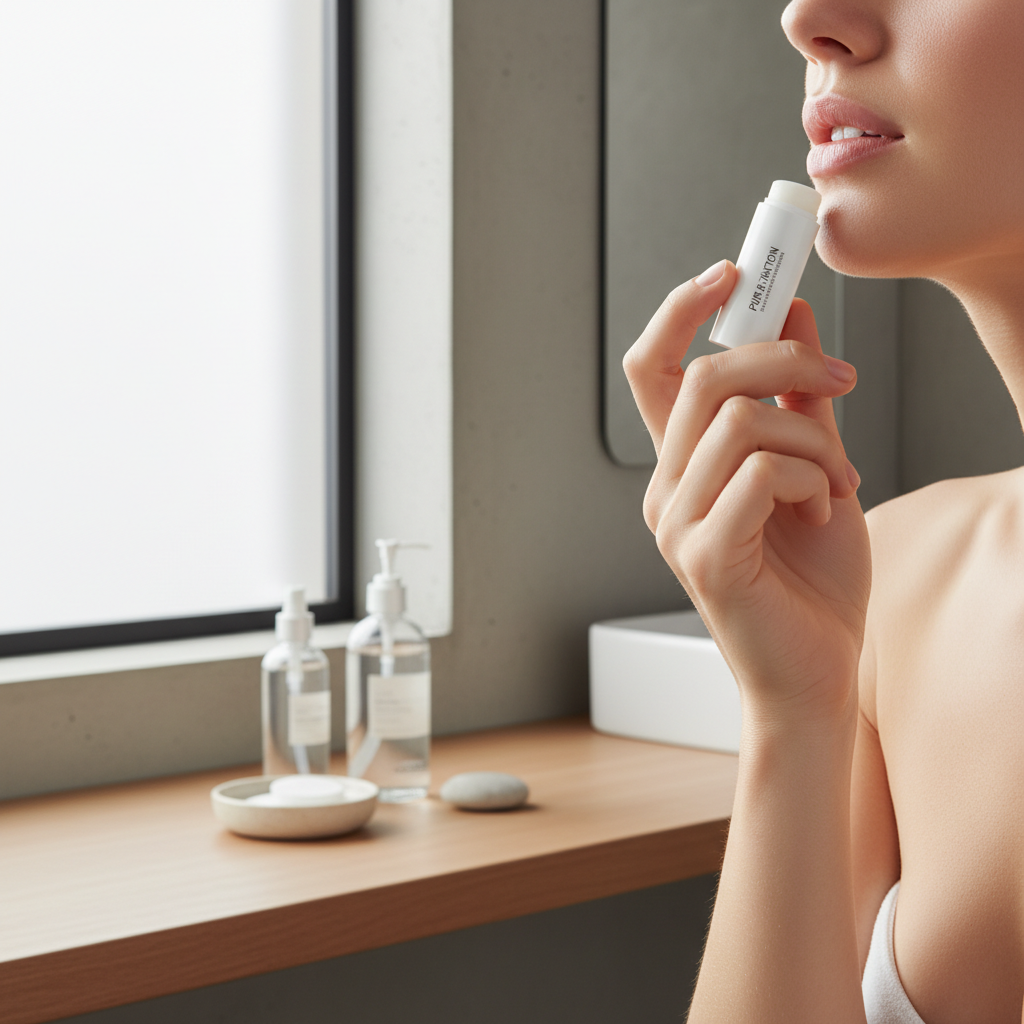
When dry lips might need more than lip balm
Most chapping improves with a gentle, occlusive routine, but a few patterns deserve a higher level of attention.
- Cracks at the corners that keep returning: could be angular cheilitis, which sometimes involves yeast or bacteria.
- Persistent redness, burning, or scaling around the mouth: may be contact dermatitis from flavorings, cosmetics, or dental products.
- Severe cracking with swelling or oozing: possible infection or inflammatory condition, get evaluated.
According to the American Academy of Dermatology Association, ongoing chapped lips can sometimes be related to irritation or allergy, and a board-certified dermatologist can help identify triggers and appropriate treatment. If symptoms are intense or not improving after a couple of weeks of gentle care, consider professional advice.
Bottom line: how to choose the best option for you in 2026
The best lip balm for dry lips is usually a fragrance-free, high-occlusion formula you can tolerate daily, paired with an SPF option for daytime and a thicker layer at night. If a balm tingles, burns, or makes you reapply constantly, treat that as data, not bad luck.
Action steps: pick one simple occlusive balm for two weeks, add an SPF lip product for outdoor time, and remove obvious irritants such as minty flavor or exfoliating claims until your lips feel stable again.
If you want the most “set it and forget it” routine, start with an ointment-style product at night and a comfortable stick for daytime carry, those two cover most real-life situations without overthinking it.