
women crossbody bag small leather is one of those searches people make when they want hands-free convenience without carrying a “real” handbag, and then they hit the same wall, what’s actually small enough to feel easy, but still fits the stuff you reach for all day.
If you’ve ever bought a cute mini bag that turned out to be a phone-only accessory, or a “small” crossbody that still felt bulky once you adjusted the strap, you already know why the details matter. Leather adds another layer because it can age beautifully, but it can also scratch, stretch, or feel stiff depending on the finish and build.
This guide focuses on practical selection, size, leather types, hardware, comfort, and real-world use cases, plus a simple comparison table and a quick checklist so you can decide fast, without guesswork.
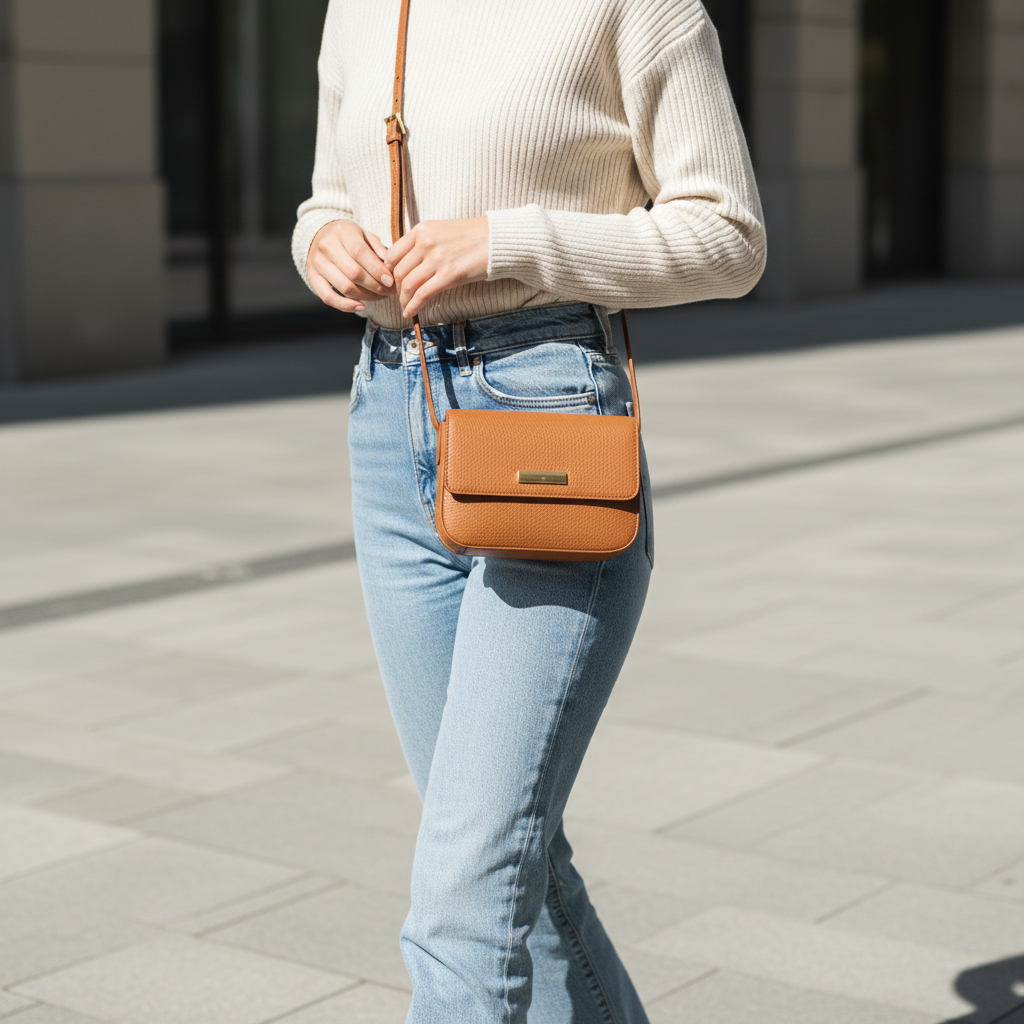
What “Small” Really Means (and why brands don’t agree)
“Small” is not a standard size. In many product listings, it’s a vibe more than a measurement, which is why reading dimensions saves time. For most people, a small crossbody lands in a sweet spot: it carries essentials, sits close to the body, and doesn’t swing when you move.
When you’re comparing options, focus on three measurements, not one.
- Width: determines whether a full-size phone fits without forcing the zipper.
- Depth (gusset): controls capacity and whether the bag looks boxy on-body.
- Strap drop / adjustable length: decides where it hits your torso and whether it works over a coat.
As a rough everyday reference, many “small” leather crossbodies are in the neighborhood of 7–10 inches wide, but what matters is your carry list and how you like the bag to sit.
Why small leather crossbodies are so easy to get wrong
People usually blame size, but the frustration often comes from a few predictable design choices.
- Thick leather + heavy hardware: can make a small bag feel surprisingly weighty, even before you add your keys.
- Narrow opening: a bag may be “big enough,” yet annoying because your hand can’t get in easily.
- No structure: softer leather slouches, which looks relaxed, but it can make quick access harder and corners wear faster.
- Bad strap engineering: a strap that twists, slides, or uses cheap edge paint can turn daily wear into daily irritation.
Also, leather is not a single material experience. Full-grain, top-grain, pebbled, saffiano-style crosshatch, and suede each behave differently over time, especially with friction points like corners and flap edges.
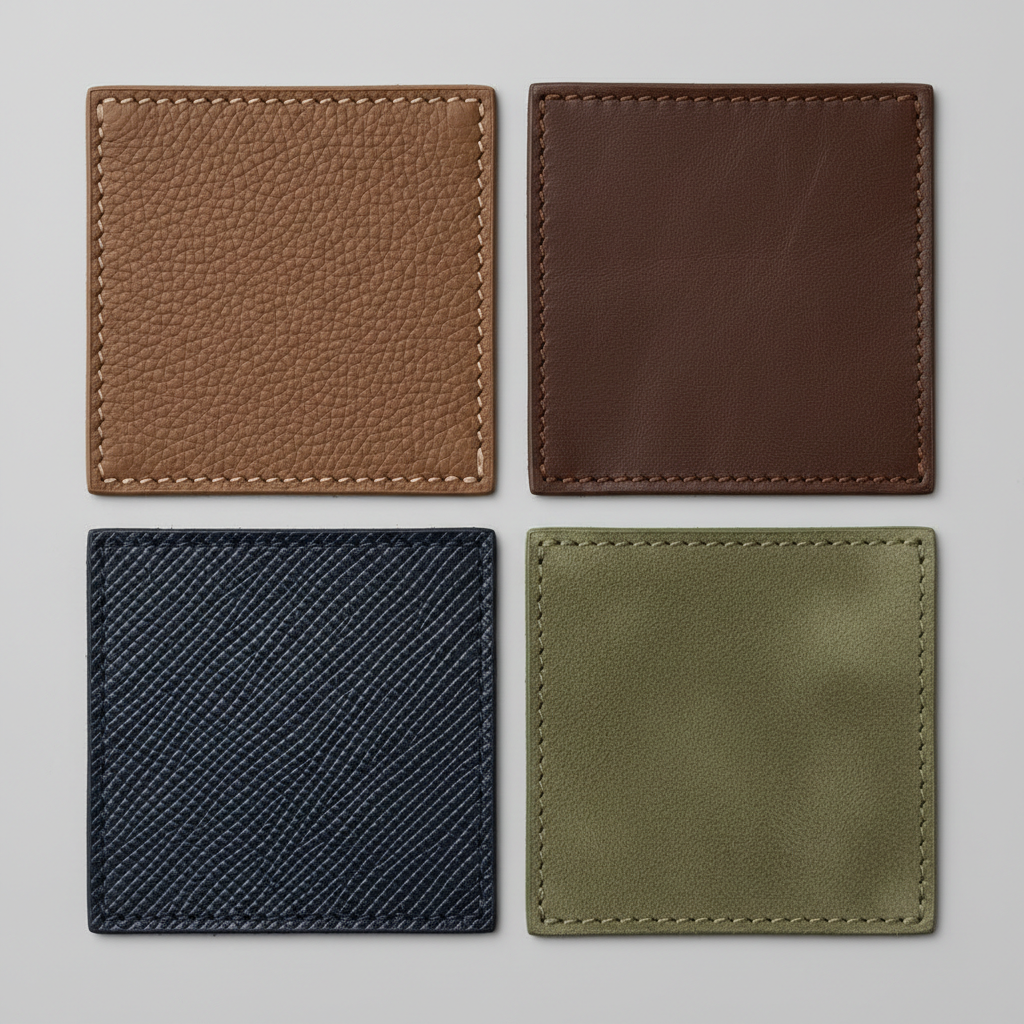
Quick self-check: which “small bag” problem are you trying to solve?
Before you shop, get honest about what you’re optimizing for. Small bags are all trade-offs, so clarity helps you avoid the wrong “perfect” option.
- I want true minimal carry: phone, slim card case, key fob, lip balm.
- I need daily essentials: phone, wallet, keys, sunglasses, small hand sanitizer, compact.
- I commute or travel: add a passport, battery pack, earbuds, maybe a small notebook.
- I go out at night: you care about silhouette and ease of access more than capacity.
- I hate rummaging: you need compartments, not “one big pocket.”
If you’re in the commute/travel camp, a women crossbody bag small leather can still work, but you’ll want smart internal layout and a strap that stays comfortable for longer stretches.
Feature comparison table: what to look for (and what it changes)
This table is meant to be used while you’re scrolling product pages. You can quickly translate specs into real-life behavior.
| Feature | Common options | What it’s like in daily use | Best for |
|---|---|---|---|
| Leather finish | Pebbled, smooth, saffiano-style | Pebbled hides scratches; smooth shows wear sooner; saffiano-style often wipes clean easily | Everyday, travel, dressy looks |
| Closure | Top zip, flap + magnet, turn-lock | Zips feel secure; magnets are fast; turn-locks feel polished but slower | Commute vs. nights out |
| Interior layout | 1 compartment, divider, card slots | Dividers reduce rummaging; slots replace a bulky wallet | Organization lovers |
| Strap | Adjustable leather, webbing, chain | Webbing is comfortable; chain can dig; leather looks refined but can slide on slick coats | Comfort vs. style |
| Structure | Structured, semi-structured, slouchy | Structured keeps shape; slouchy molds to body but can lose “easy access” | Workdays vs. weekends |
How to choose the right women crossbody bag small leather for your routine
1) Start with your “non-negotiables”
Pick two or three hard requirements and ignore everything else. That’s how you avoid buying the bag that looks right but annoys you later.
- Must fit: phone model + case, key fob size, sunglasses case if you carry one.
- Must close securely: especially if you use public transit or travel often.
- Must sit comfortably: strap width matters more than you think, especially if you wear it all day.
2) Match leather type to your lifestyle
If your bag will get bumped, brushed against denim, or tossed on a car seat, textured leather finishes tend to look “new” longer. Smooth leather can be gorgeous, but it typically shows micro-scratches earlier, which some people love as patina and others hate.
According to American Leather Chemists Association (ALCA)..., leather performance depends heavily on finishing and testing standards, so two bags both labeled “genuine leather” can wear very differently.
3) Don’t ignore strap length and attachment points
A small bag can still feel awkward if the strap connects at the wrong angle. Side-mounted D-rings often keep the bag flatter against your body, while top-mounted attachments can make the bag tip outward on some frames.
If you’re shopping online, look for photos of the bag worn crossbody and worn on the shoulder, then zoom in on how the strap sits near the hardware.
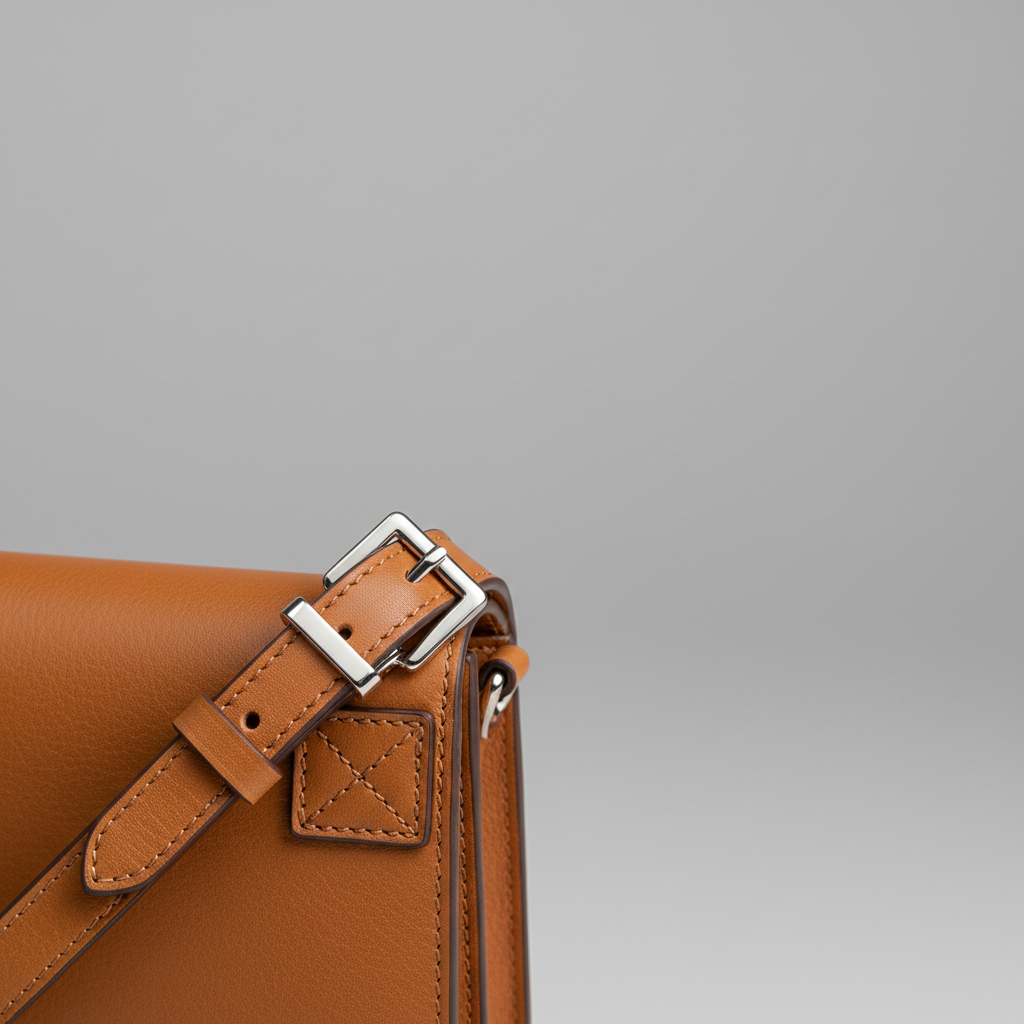
Practical buying checklist (copy this into your notes)
When you’re deciding between two similar bags, this list usually breaks the tie.
- Dimensions listed clearly (not just “small”)
- Opening width looks usable, not pinched
- Zipper quality: smooth pull, not tiny or flimsy
- Edge paint and stitching look clean in close-ups
- Lining: a light color helps you find items faster
- Feet or reinforced corners if you set the bag down often
- Return policy that allows “try-on at home”
Key takeaway: if a product page hides strap length or interior photos, assume it’s not designed for picky daily users, and move on.
Common mistakes (and what to do instead)
- Mistake: Buying for looks only. A small bag needs to work at “checkout speed.” Instead, test your carry list and imagine pulling out your phone with one hand.
- Mistake: Overstuffing. That’s how corners crease and zippers strain. Instead, choose a slimmer wallet or use built-in card slots when available.
- Mistake: Picking the wrong strap material for the season. Chain straps can snag hair and feel cold in winter. Instead, consider leather or webbing for comfort, keep chain for occasional wear.
- Mistake: Assuming “genuine leather” means premium. It’s a broad label. Instead, look for clearer language such as full-grain or top-grain, plus good construction photos.
When it’s worth getting expert help or asking extra questions
If you’re investing in a higher-priced leather piece, it’s reasonable to ask the seller about leather type, care recommendations, and hardware finish. If you have skin sensitivities, metal allergies, or need a bag for mobility reasons, it may help to consult a clinician or occupational therapist for advice on carry comfort and strap placement, because small design differences can change shoulder or neck strain.
For care, if you’re unsure what finish you have, or you’re dealing with dye transfer, a professional leather cleaner can be a safer route than experimenting with random conditioners at home.
Conclusion: pick the bag that disappears while you wear it
A women crossbody bag small leather works best when it feels almost forgettable, light on the body, quick to access, and tough enough for your real routine. Start with your carry list, match the leather finish to how hard you are on bags, and prioritize strap comfort as much as aesthetics.
If you want a simple next step, open two product tabs and compare dimensions, strap range, closure, and interior layout side by side, most “almost right” options become obvious once you do that.
FAQ
What size is considered a small crossbody bag for women?
It varies by brand, but “small” usually means essentials-only capacity and a compact profile against the body. Checking width, depth, and strap drop gives a more reliable picture than the word “small.”
Is pebbled leather better than smooth leather for everyday wear?
Often, yes for durability appearance, because texture can disguise small scratches and scuffs. Smooth leather can look more polished, but it may show wear sooner, which is either charming patina or annoying depending on your preference.
How do I know if my phone will fit in a small leather crossbody?
Compare your phone’s height and width (with the case on) to the bag’s interior dimensions if available. If only exterior dimensions are listed, assume interior space is slightly smaller because of lining and structure.
What’s the most secure closure for commuting or travel?
Top zippers tend to feel most secure in crowded settings. Flaps with magnets can be convenient, but the opening may be easier for someone else to access if the bag sits behind you.
Can a women crossbody bag small leather be comfortable all day?
It can, but comfort depends on strap width, strap material, and how much weight you carry. A slightly wider strap or soft webbing can reduce pressure compared with thin leather or chain.
How should I care for a small leather crossbody bag?
Keep it dry, wipe with a soft cloth, and spot-test any conditioner on an inconspicuous area. If the bag has a delicate finish or you’re unsure what products are safe, a professional leather cleaner is a safer bet.
Is “genuine leather” good enough for a crossbody bag?
It can be, but the term is broad and doesn’t guarantee a specific grade. Construction quality, stitching, edge finishing, and hardware often predict satisfaction better than the label alone.
If you’re trying to narrow down options fast, or you keep ending up with bags that look right but wear awkwardly, it may help to shortlist a few styles and evaluate them against your carry list and comfort priorities before you commit.